China Intelligence
Unvarnished analysis and strategic foresight. • 14 articles
The Davidson Window Is Closed. Taiwan's Strategic Problem Is Not.
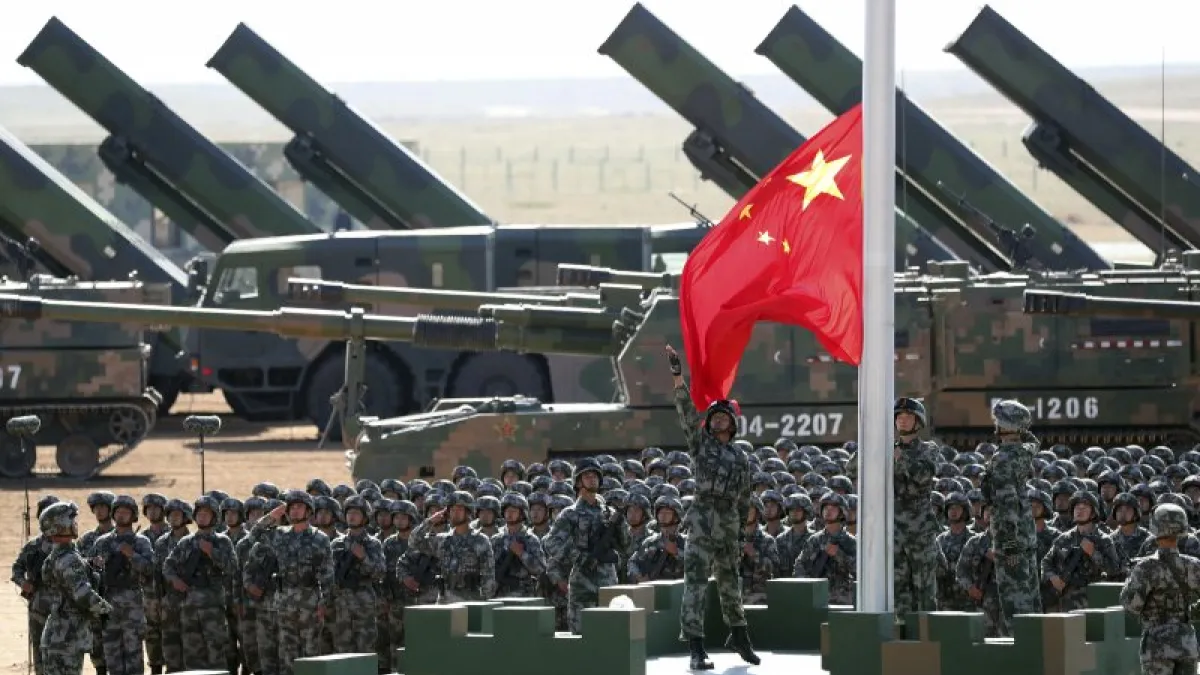
The U.S. intelligence community's 2026 Annual Threat Assessment formally ends the "Davidson Window" - the six-year countdown to a potential Chinese invasion of Taiwan. But closing one analytical frame does not reduce the threat. China's military pressure has shifted form, not intensity.

Tea, Taiwan, and Tariffs: Who Really Won the Trump-Xi White House Summit?
Xi Jinping's first Washington visit in eleven years ended with a two-month trade truce extension, two pandas, and no answers on Taiwan or AI. The pageantry was real. The strategic outcomes were far more ambiguous - and far more consequential for India, Taiwan, and every country watching from the sidelines.

The Pacific Islands Forum as a Battleground: How Beijing Is Trying to Erase Taiwan From the Pacific
The 55th Pacific Islands Forum Leaders Meeting in Palau, held from 31 August to 4 September 2026, became the most contested gathering in the Forum's history. China's special envoy warned of "consequences" over Taiwan's presence. Five leaders stayed home amid accusations of foreign pressure. Beijing fired a ballistic missile into the South Pacific Nuclear Free Zone weeks before the summit. The Pacific is no longer a quiet backwater in the China-Taiwan contest.
Life in Prison: How China's $300 Billion Evergrande Collapse Just Claimed Its Biggest Scalp
Hui Ka Yan went from Asia's second-richest man to a life sentence in a Shenzhen courtroom, five years after Evergrande's collapse first shook China's economy. The verdict closes one legal chapter, but the deeper structural crisis in Chinese real estate that Evergrande symbolized is far from resolved.

China's Second-Strike Milestone: Decoding the July Missile Test Nobody Noticed
Timed to Russia's naval drills, days ahead of NATO's Ankara summit, two days after July 4th China's July 6 submarine missile launch was choreography, not routine training. Global Chanakya decodes what Beijing's completed nuclear triad actually signals.
Can China Escape the Middle-Income Trap? Inside the Structural Reckoning Reshaping the World's Second Economy
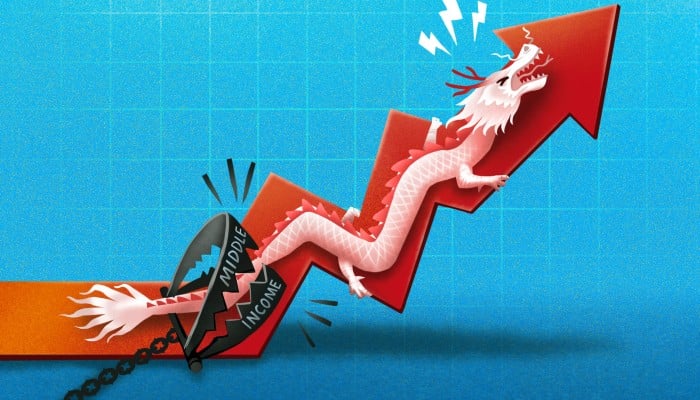
Newborns at their lowest since 1949, a property sector down 80% from peak, and growth targets at their weakest since 1991. Global Chanakya decodes whether China can escape the middle-income trap - or whether the trap itself is a myth.
US-China Diplomatic Competition Explained: Inside the Summit Season That Changed Nothing and Everything
Two summits, one Boeing order, zero joint statements, and Taiwan left exactly where it started. Global Chanakya decodes what the Trump-Xi summit season actually reveals about the true state of US-China competition.

Silicon Supremacy: The US-China Semiconductor War and the Battle for the Future of Artificial Intelligence
The US-China semiconductor war is no longer about trade - it is a civilizational contest over who controls the foundational technology of the 21st century. This report decodes the full strategic reality.
China's Belt and Road Initiative Explained: The Infrastructure Empire Building the New World Order
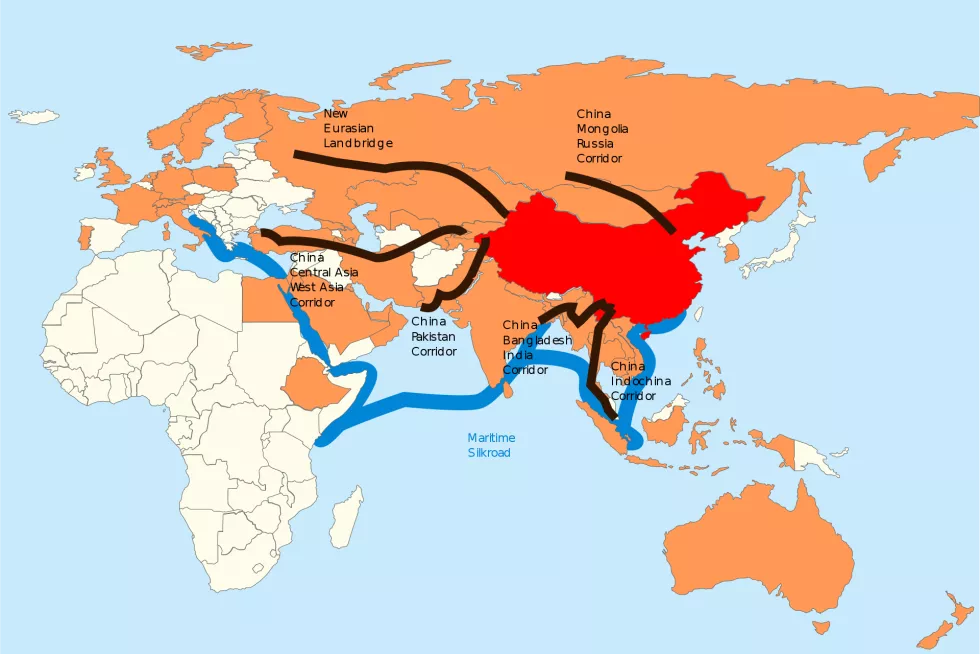
More than 140 countries, trillions in infrastructure financing, ports that double as naval access points, and a debt architecture that converts economic dependency into geopolitical leverage - the Belt and Road Initiative is not a development program. It is the physical foundation of China's bid for global primacy.
China's Naval Expansion: The Fleet That Is Reshaping the Pacific
China has built the world's largest navy by hull count, commissioned its first catapult carrier, is moving toward nine carriers by 2035, and is racing to shift its submarine force to nuclear dominance by 2035. Here is the complete strategic breakdown of the PLAN's most ambitious expansion in history.
Xi Jinping's Long-Term Strategic Vision: Patience as Power
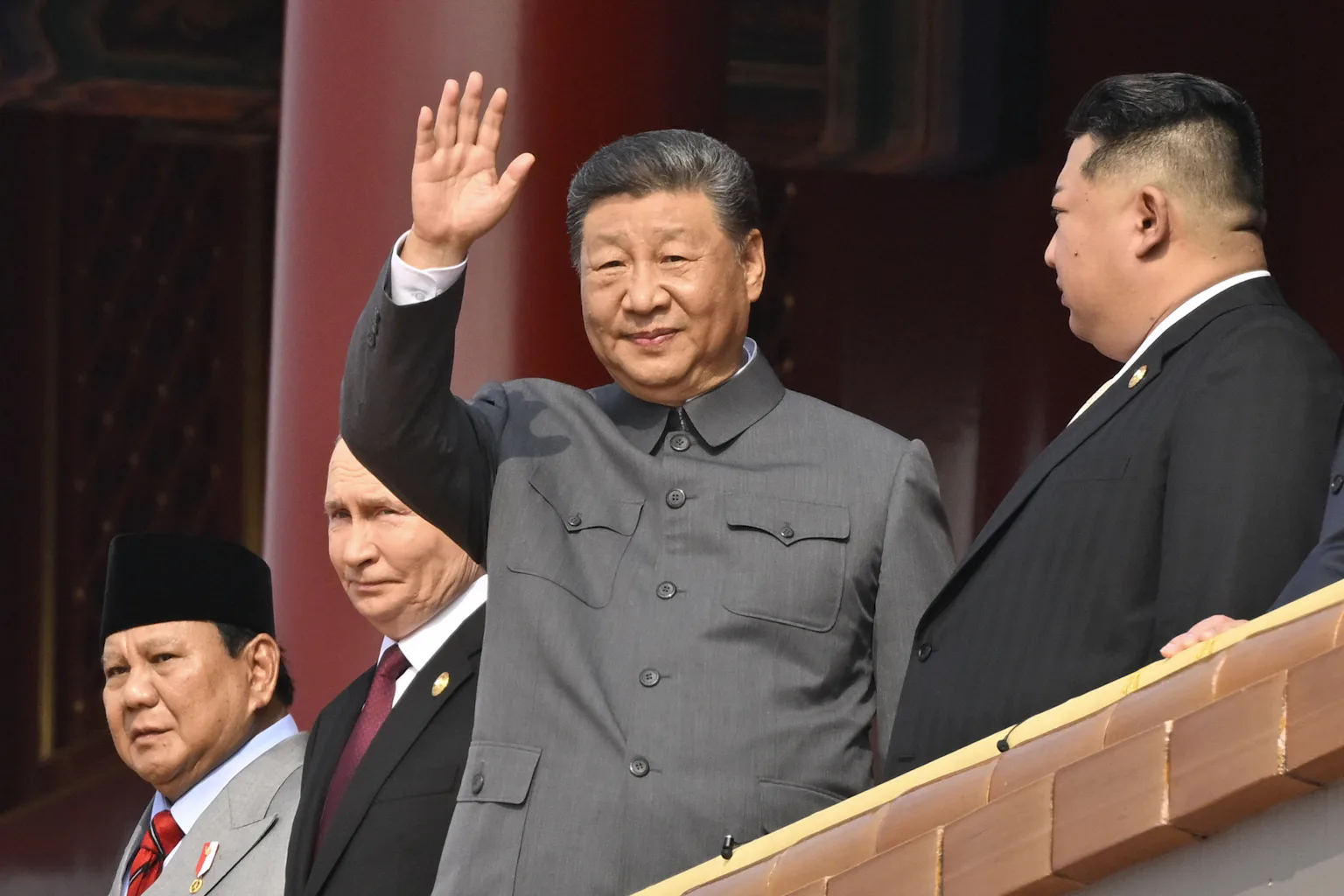
A 2026 intelligence assessment of Xi Jinping's grand strategy - the 15th Five-Year Plan's tech-dominance push, a Taiwan doctrine of patient coercion over invasion, a purged military, and China's careful positioning amid America's multi-front distraction.
China Strategic Intelligence Report 2026: Power and Limits
Xi Jinping is building the most capable military China has ever fielded while his economy slows, his property sector wobbles, and his own generals get purged. This report assesses where Chinese power genuinely stands in 2026.

The Geopolitics of Rare Earth Minerals: The New Oil War Nobody Can Win Alone
From Greenland's icy deposits to Ukraine's contested lithium fields, from Bayan Obo's decades-old mine to a $1.2 trillion American industry now hostage to Chinese refining capacity, rare earth minerals have become 2026's most consequential geopolitical battleground - and the West is years behind.

China's Long-Term Global Expansion Strategy: Inside Beijing's Blueprint for World Power
From Djibouti's naval base to rare earth export controls that can deter Japan over Taiwan, China's expansion strategy in 2026 is no longer just infrastructure diplomacy. It is a coordinated architecture of economic leverage, military presence, and technological chokepoints designed for decades, not news cycles.