Indo-Pacific Intelligence
Unvarnished analysis and strategic foresight. • 18 articles
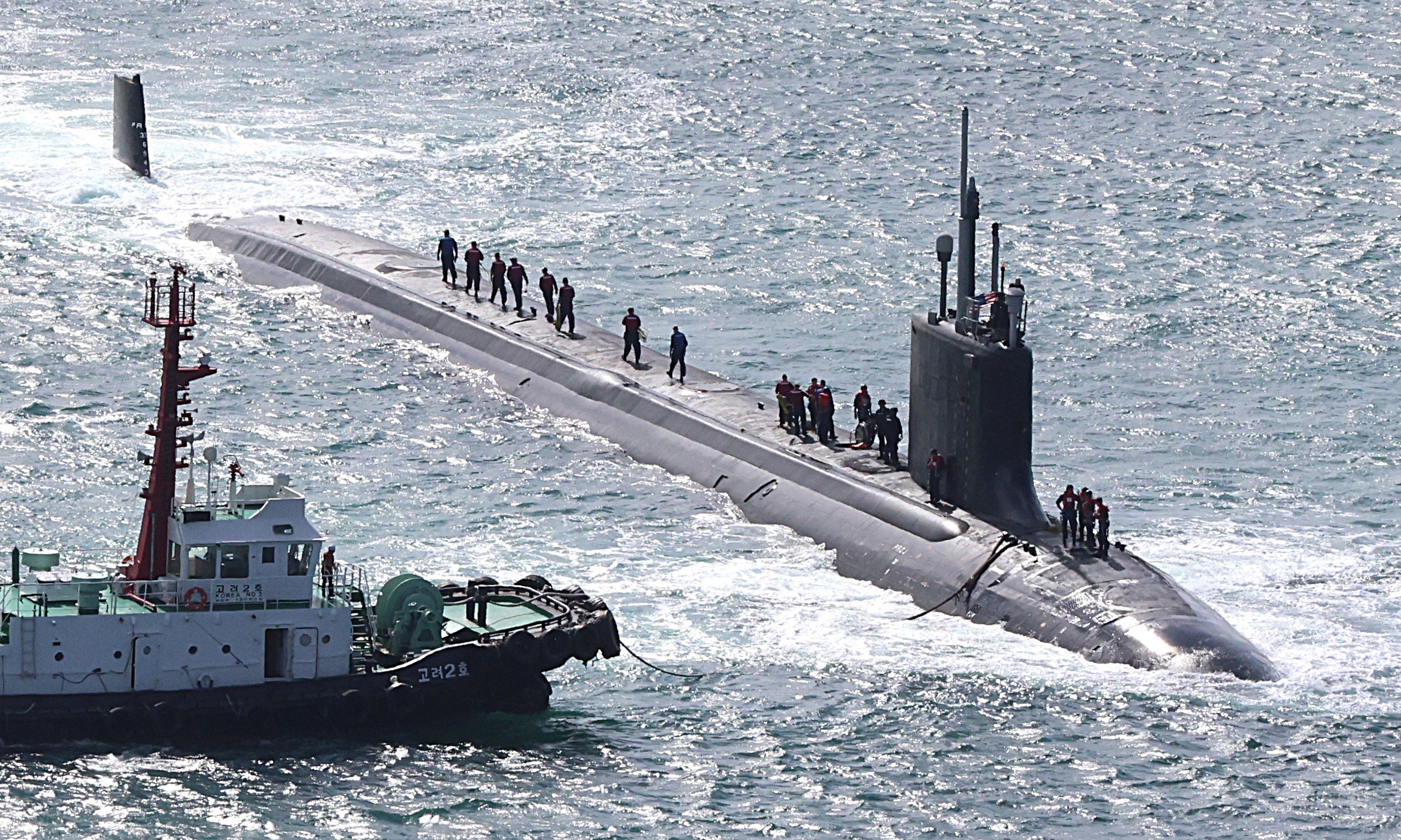
South Korea's Nuclear Submarine Gambit: How Jangbogo-N Is Reshaping Northeast Asia's Undersea Balance
South Korea formally launched the Jangbogo-N nuclear-powered submarine program in May 2026 with US backing. Kim Jong Un called it an "offensive act" and accelerated his own SSBN program. Northeast Asia's undersea arms race - already involving China, North Korea, and Japan - just added a major new entrant.

Manila's New Allies: Why the Philippines Is Building a NATO-Linked Security Web in the South China Sea
On 27 August 2026, the Philippines and the United Kingdom opened formal negotiations for a Status of Visiting Forces Agreement - the latest in a series of troop access deals Manila has struck with Western and like-minded powers since 2023. The UK move is not an isolated bilateral story.
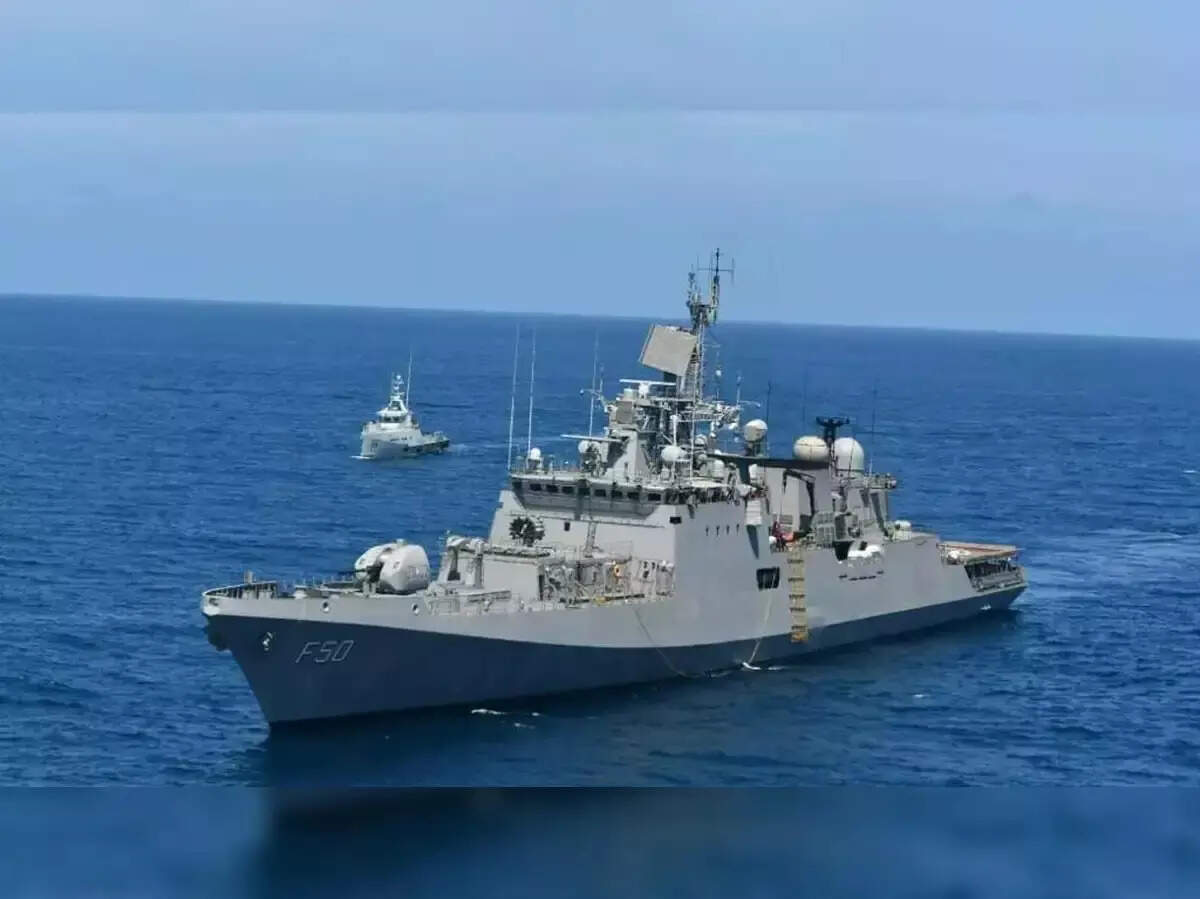
India's Indian Ocean Doctrine: The Maritime Power Play Delhi Hasn't Talked About
While the world watched Ukraine and Iran, India quietly rewrote its naval doctrine, expanded SAGAR into MAHASAGAR, commissioned new island bases, and watched a US submarine sink an Iranian frigate forty nautical miles off Sri Lanka. None of it has been discussed as the coherent maritime strategy it actually is.

The Floating Barrier: China's Quiet New Move in the South China Sea
A 352-metre rope-and-buoy barrier at Scarborough Shoal looks like a minor incident. Read as part of a pattern stretching from the Paracels to the Taiwan Strait, it exposes the operating system behind Beijing's gray-zone playbook - and a widening Indo-Pacific contest India can no longer watch from the sidelines.
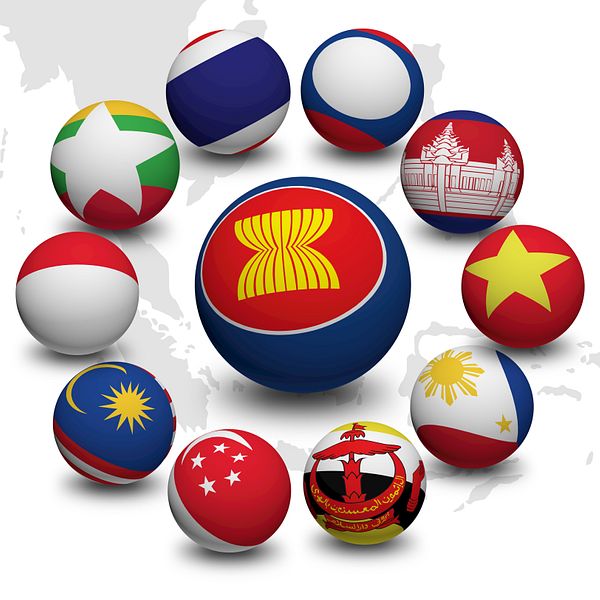
ASEAN's Consensus Diplomacy Explained: The Doctrine That Built Southeast Asian Peace and Now Constrains It
For six decades, ASEAN's insistence on unanimous, non-interfering consensus has kept ten to eleven fractious states from war with each other. In 2026, that same doctrine is being tested simultaneously by Myanmar's civil war, a Thailand-Cambodia border conflict, and an unresolved South China Sea standoff with China - exposing both the doctrine's enduring value and its structural limits.

The Phillips Channel Problem: Why the Strait of Malacca Is the World's Most Dangerous Trade Route
A 2.8-kilometre-wide channel carries 80 percent of China's oil, a quarter of global trade, and a 19-year piracy high. As Hormuz burns, the Malacca Strait is becoming the next great chokepoint of coercion.
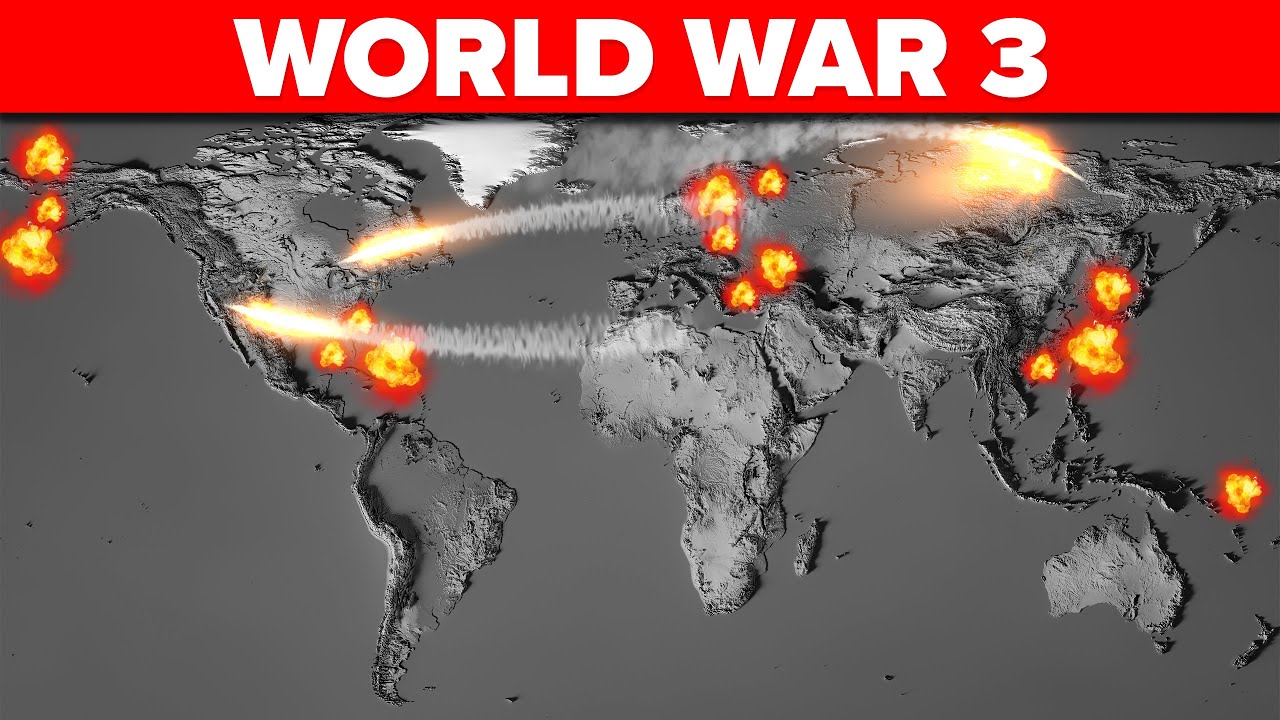
The Sea That Could Start World War III: Inside the South China Sea's Escalation Architecture and the Thin Line Between Crisis and Catastrophe
Five trillion dollars in annual trade, competing sovereignty claims among six nations, and two nuclear powers on collision course. This doctrine-level report decodes whether the South China Sea becomes the century's most dangerous flashpoint.
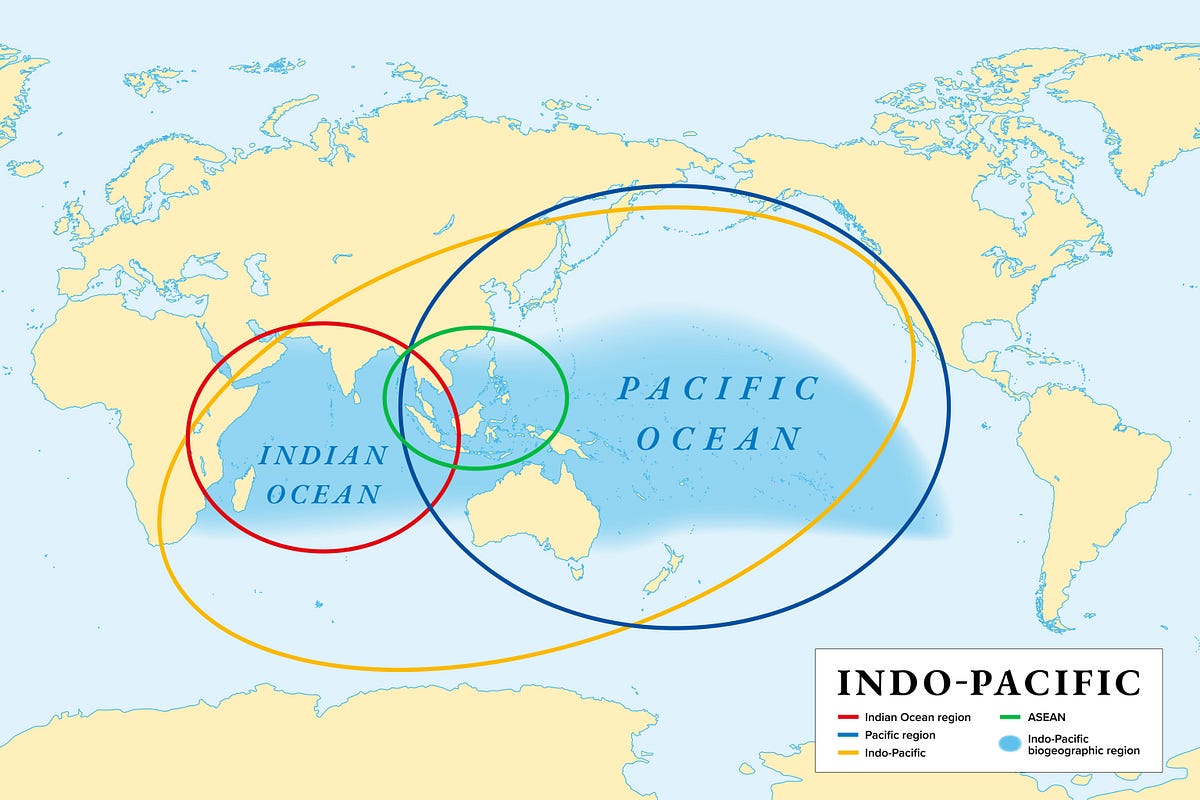
The Indo-Pacific Doctrine: How the World's Most Contested Strategic Theatre Is Being Fought, Shaped, and Contested for the Next Century
The Indo-Pacific is the defining strategic theatre of the 21st century. This doctrine-level report decodes the competing visions, military architectures, alliance systems, and power contests reshaping this vast ocean-continental space.
The Quadrilateral Awakening: What the QUAD Is, Why It Was Reborn, and How It Is Reshaping the Indo-Pacific Strategic Order
The QUAD has evolved from a dormant tsunami relief forum into the Indo-Pacific's most consequential strategic coalition. This doctrine-level report decodes its architecture, China logic, and role in reshaping regional power.
South China Sea Flashpoints to Watch in 2026
Beyond the Philippines, Vietnam's accelerating Spratly build-up, Indonesia's Natuna stand-offs, and Malaysia's harassed drilling rigs are quietly turning the South China Sea into a multi-front contest. Here are the flashpoints that matter most in 2026.

Myanmar Civil War Strategic Breakdown: Five Years of Fragmented Sovereignty
A junta controlling barely a fifth of the country, a sham election that fooled no one, a newly unified resistance coalition courting Beijing and New Delhi simultaneously, and a conflict that has quietly become the world's deadliest forgotten war - Myanmar in 2026 is a masterclass in how state collapse becomes permanent.
Philippines and South China Sea Escalation: Inside the 2026 Flashpoint
China's gray-zone pressure on the Philippines has reached a new intensity in 2026, with flag plantings on Sandy Cay, a near-collision off Thitu, and sanctions on Manila's defence chief. This report breaks down why the South China Sea is now the Indo-Pacific's most dangerous daily flashpoint.

Australia's Strategic Role Against China: Building Deterrence at the Edge of the Indo-Pacific
A National Defence Strategy pouring 41% of spending into the maritime domain, a $368 billion submarine program racing against shipyard bottlenecks, and a government caught between Washington's demands for Taiwan pre-commitments and Beijing's economic weight - Australia in 2026 is rebuilding itself as the Indo-Pacific's southern anchor.

ASEAN's Role in Global Stability: Centrality Under Maximum Strain
A claimant state chairing the bloc, a Code of Conduct deadline a decade in the making, 650 meetings, and a $2 trillion digital economy ambition - ASEAN's 2026 Philippine chairmanship is the clearest test yet of whether Southeast Asian centrality can survive an era when consensus diplomacy meets hardening great-power rivalry.
Japan's Military Expansion and Regional Security: The Pacifist Nation Rearms
A record $58 billion defense budget, hypersonic missiles, a constitutional revision drive, and a prime minister who called a Taiwan contingency an "existential threat" to Japan - eight decades after its pacifist constitution, Tokyo is undergoing the fastest military transformation since World War II.
Taiwan Crisis: Strategic Scenarios Explained for 2026 and Beyond
Blockade drills that double as invasion rehearsals, a $14 billion arms package used as a "negotiating chip," cyberattacks on hospitals up 54%, and a Taiwanese president facing impeachment - the Taiwan Strait in 2026 is the most carefully studied, least predictable flashpoint in global strategy.
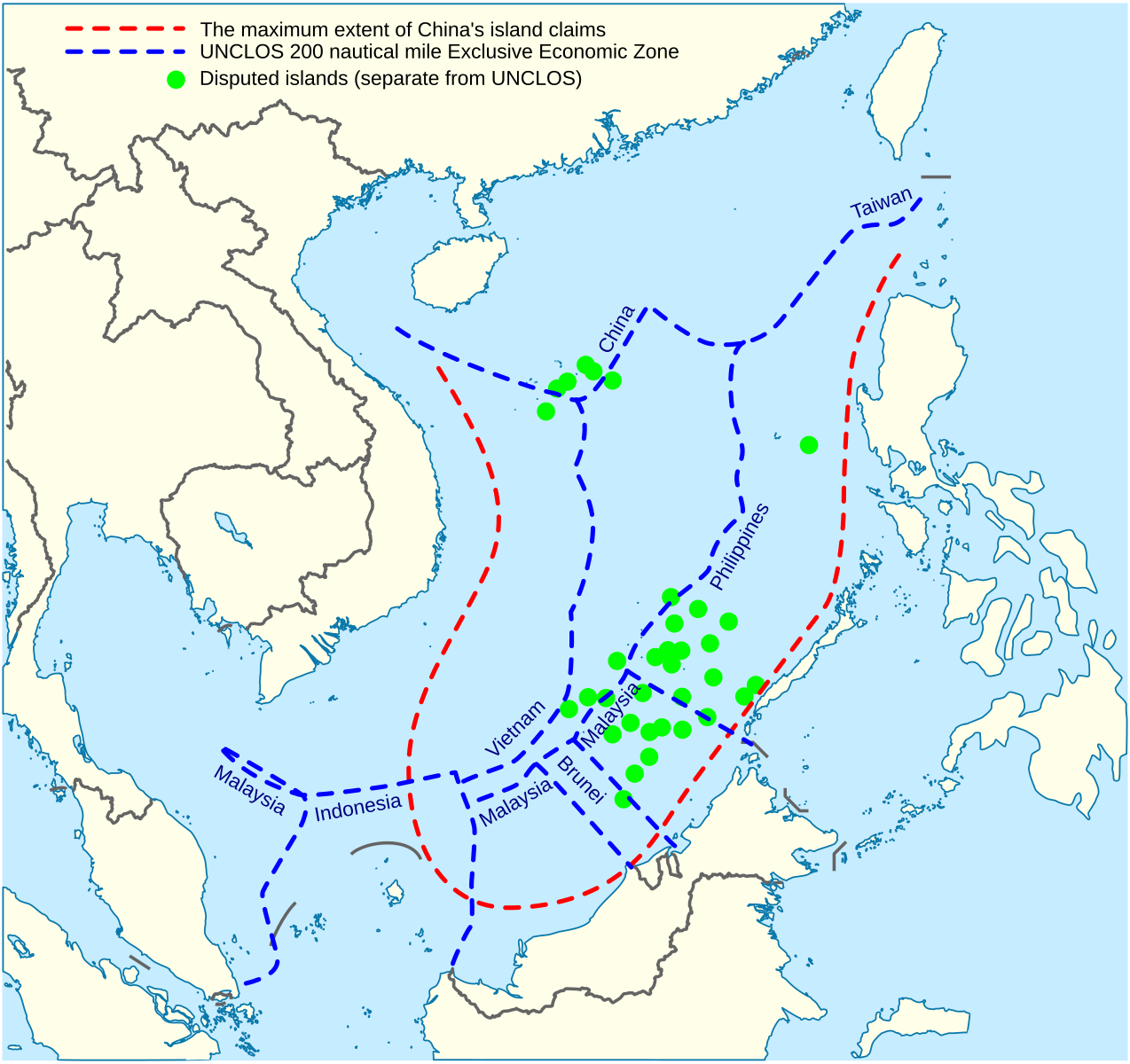
Why the South China Sea Matters in Global Strategy: The Sea That Decides the Century
A third of global trade, untapped energy reserves, the world's most contested maritime claims, and a Code of Conduct deadline approaching its tenth anniversary of legal defeat - the South China Sea in 2026 is not a regional dispute. It is the chokepoint where the future balance of global power will be decided.
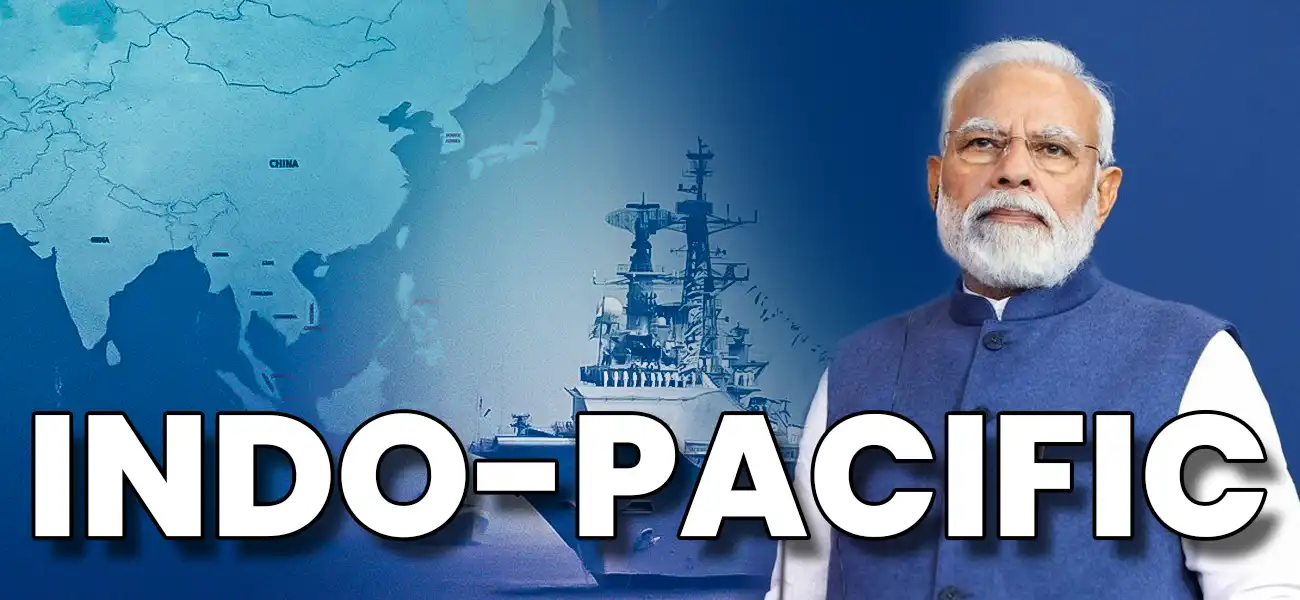
Indo-Pacific: The New Global Battleground Where the 21st Century Will Be Won or Lost
The Indo-Pacific is no longer a geographic expression. It is the defining strategic theater of the twenty-first century - where China's revisionist ambitions, America's conditional commitments, India's strategic autonomy, and a constellation of middle powers are locked in a competition that will determine whether the next hundred years belong to coercion or consent, to open seas or closed spheres.