South Asia Intelligence
Unvarnished analysis and strategic foresight. • 21 articles
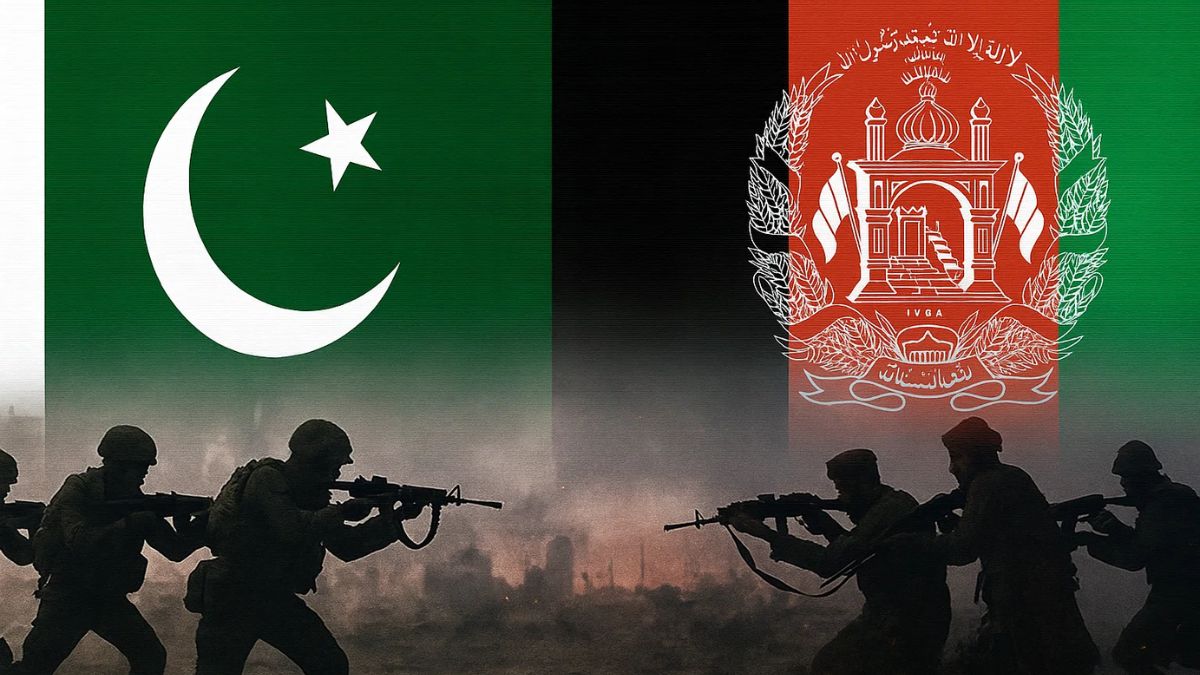
Pakistan-Afghanistan “Open War” Enters Third Week: Why Islamabad Is Now Naming India
Pakistan and the Taliban are still exchanging strikes and accusations in the third week of their latest confrontation. The sharper development is Islamabad’s claim that Afghan officials hosted militant groups “with Indian help.”

India's Ukraine Peace Proposal Is Now the Most Comprehensive on the Table - Here's What That Actually Means
Ukraine's Foreign Minister has publicly ranked India's peace proposal above those from the US, Turkey, and Egypt, calling it the "most comprehensive" of four active diplomatic initiatives. What does India's proposal actually contain, why does it hold appeal on both sides, and how far is it from a real breakthrough?
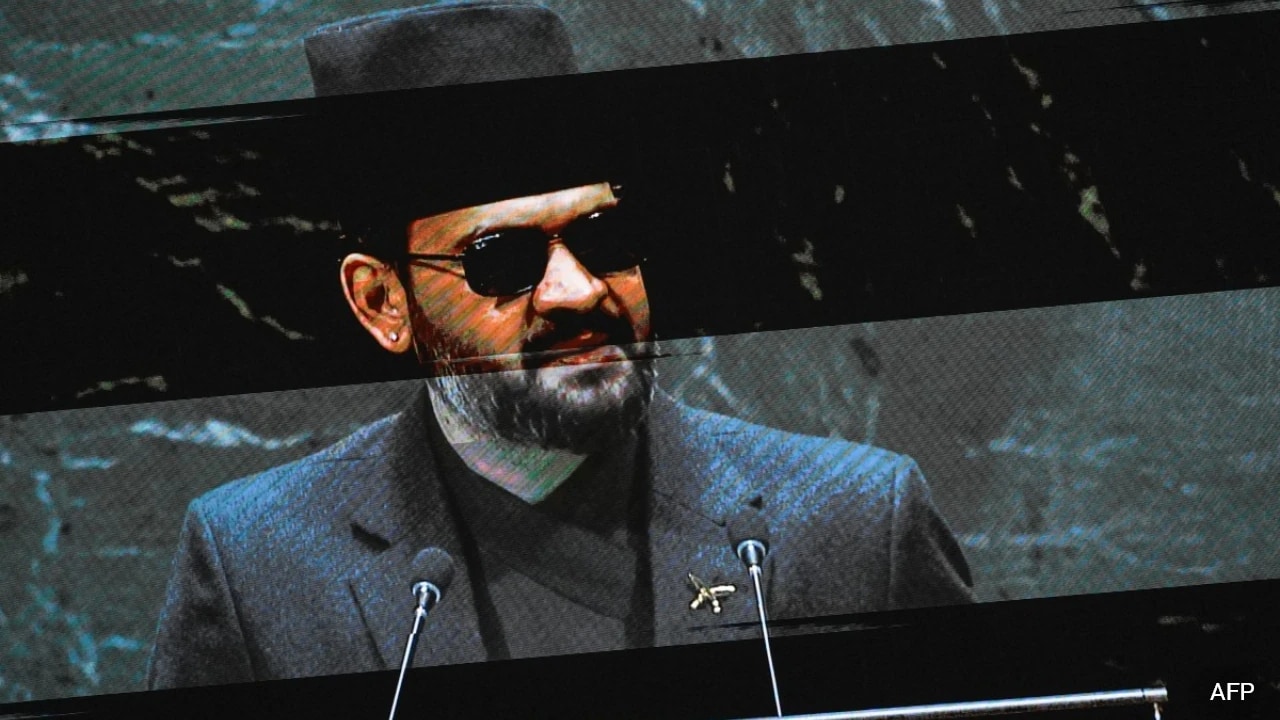
Nepal's Rapper-Turned-Prime Minister Goes to the UN: What Balendra Shah's Rise Means for India and China
Balendra Shah, Nepal's 36-year-old ex-rapper and the world's youngest serving head of government, addressed the UN General Assembly on September 24 for the first time since taking power in March. His speech, his foreign policy posture, and the catastrophic Bhotekoshi floods that drove him to New York together reveal a new strategic logic from Kathmandu - one that India and China are still learning to read.

India's BRICS Balancing Act: Hosting Xi, Putin, and Iran While Trump Wages Economic War
As India chairs the 18th BRICS Summit in New Delhi on September 12-13, 2026, Prime Minister Modi is hosting Xi Jinping, Vladimir Putin, and Iranian President Pezeshkian simultaneously - while managing a bruising tariff confrontation with Washington and resisting American pressure to abandon Russian oil. The summit exposes, in real time, just how far India will push its doctrine of strategic autonomy.

Delhi's Quiet Alarm: What China's Bangladesh Port Deal and Teesta Gambit Really Mean for India
In June 2026, Bangladesh's Prime Minister Tarique Rahman chose Beijing for his first overseas state visit since taking office. He returned with 15 MoUs, a $300 million Chinese grant pledge, a proposed 2+2 defence dialogue, a feasibility study for Chinese management of the Teesta River, and a signed agreement giving China Civil Engineering Construction Corporation the economic zone adjacent to Mongla Port - the same parcel reserved for India since 2015 and cancelled on Delhi.
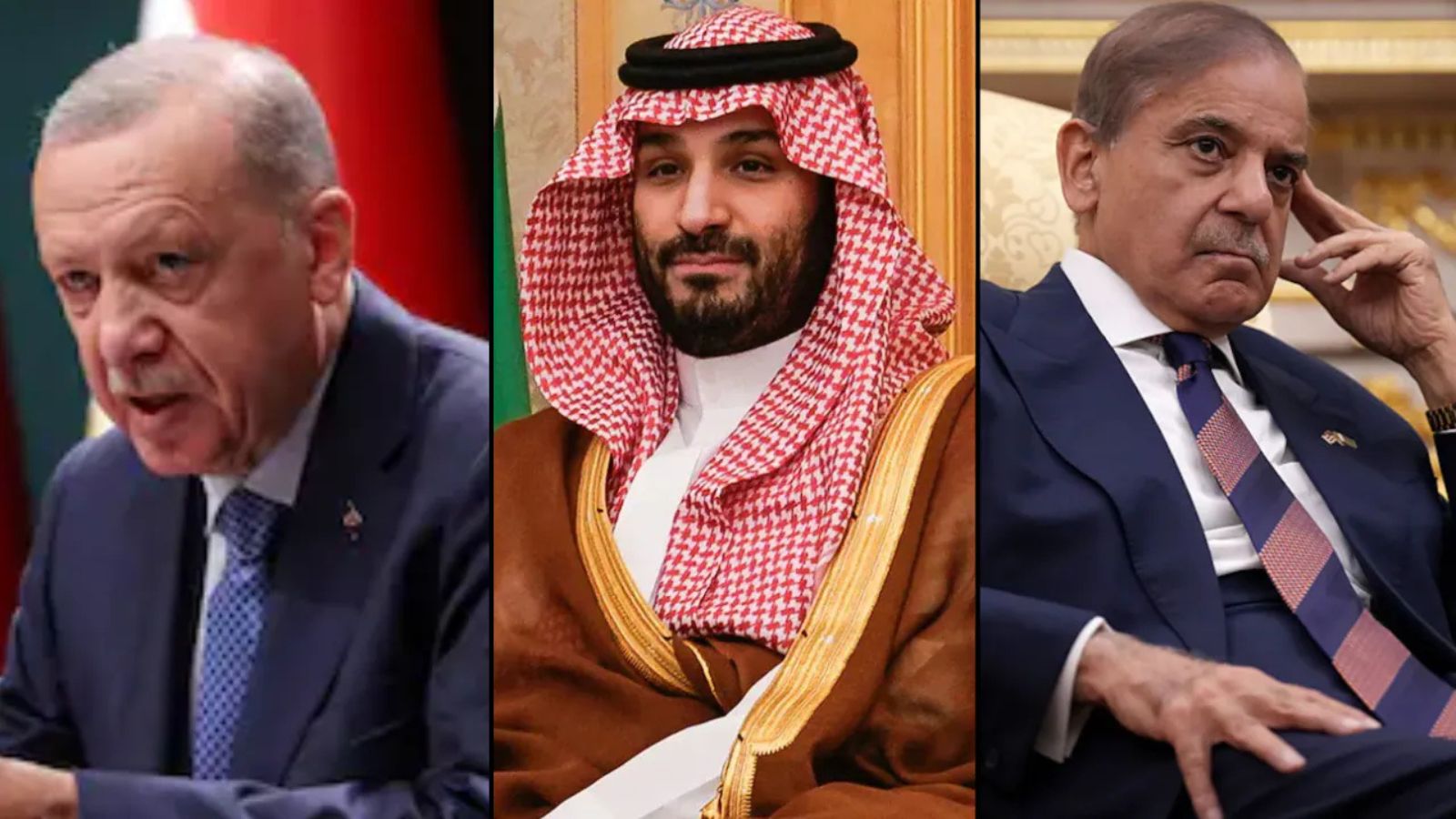)
The Mecca Defence Alliance: Turkey, Pakistan, Saudi Arabia's New Pact and What It Means for India's Western Flank
On 7 August 2026, Saudi Arabia, Turkey, and Pakistan signed the Mecca Joint Defence Agreement - a collective security pact declaring an attack on one as an attack on all. Backed by Saudi finance, Turkish military technology, and Pakistan's nuclear arsenal, this alliance is reshaping West Asia's security architecture with direct consequences for India's strategic depth, its IMEC corridor ambitions, and the post-Operation Sindoor military calculus on the subcontinent.
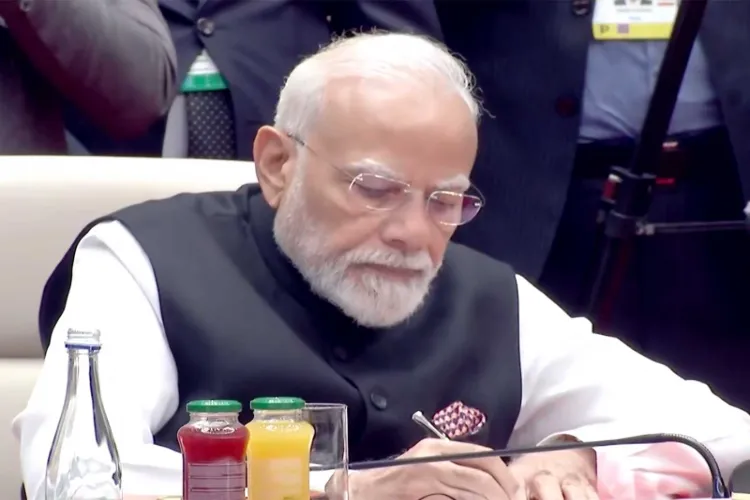
Modi's Veiled Warning at SCO: Reading Between the Lines in Bishkek
Modi never named Pakistan or China at the SCO's 25th anniversary summit. He didn't need to. In one address delivered with Shehbaz Sharif at the table and Xi Jinping in the room, India restated its two hardest lines, on terrorism and on sovereignty, and let the audience do the translating.
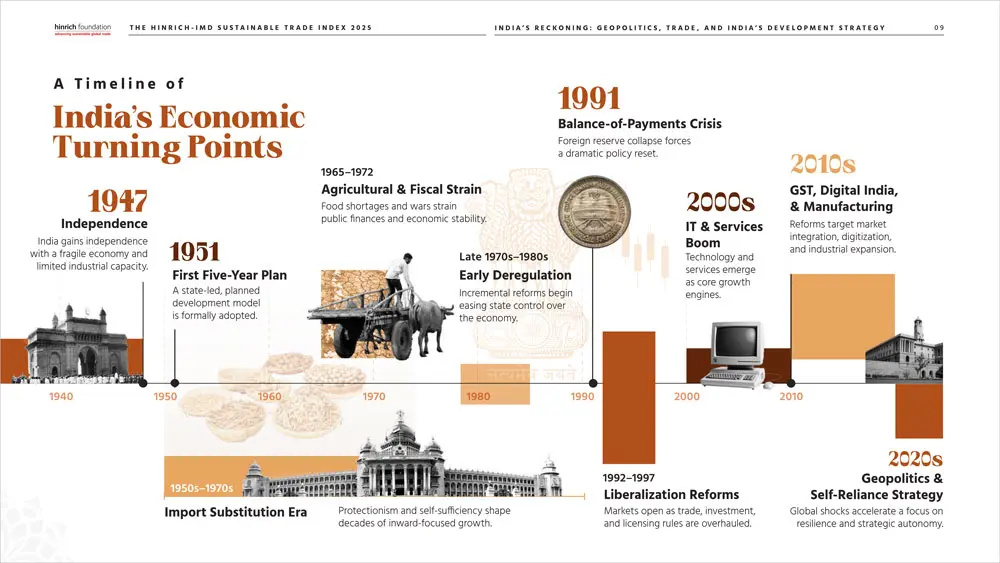
India's Long Arc: Comparing Growth, Defence, and Geopolitical Weight Before and After 2014
Comparing India's development and global standing across the pre-2014 and post-2014 periods is one of the most politically charged exercises in Indian public life. This report sets partisan framing aside and examines what the data and independent analysis actually show across economy, defence, infrastructure, and geopolitics, including where the picture is genuinely contested.
Viksit Bharat 2047: Decoding India's Grand Strategy for Superpower Status
India has set itself a hundred-year deadline to become a developed, $30-40 trillion economy and a genuine global power. The economics of that goal are well documented. The harder, less discussed question is whether India's foreign policy, defense posture, and institutional architecture are actually built for the geopolitical weight the vision assumes.
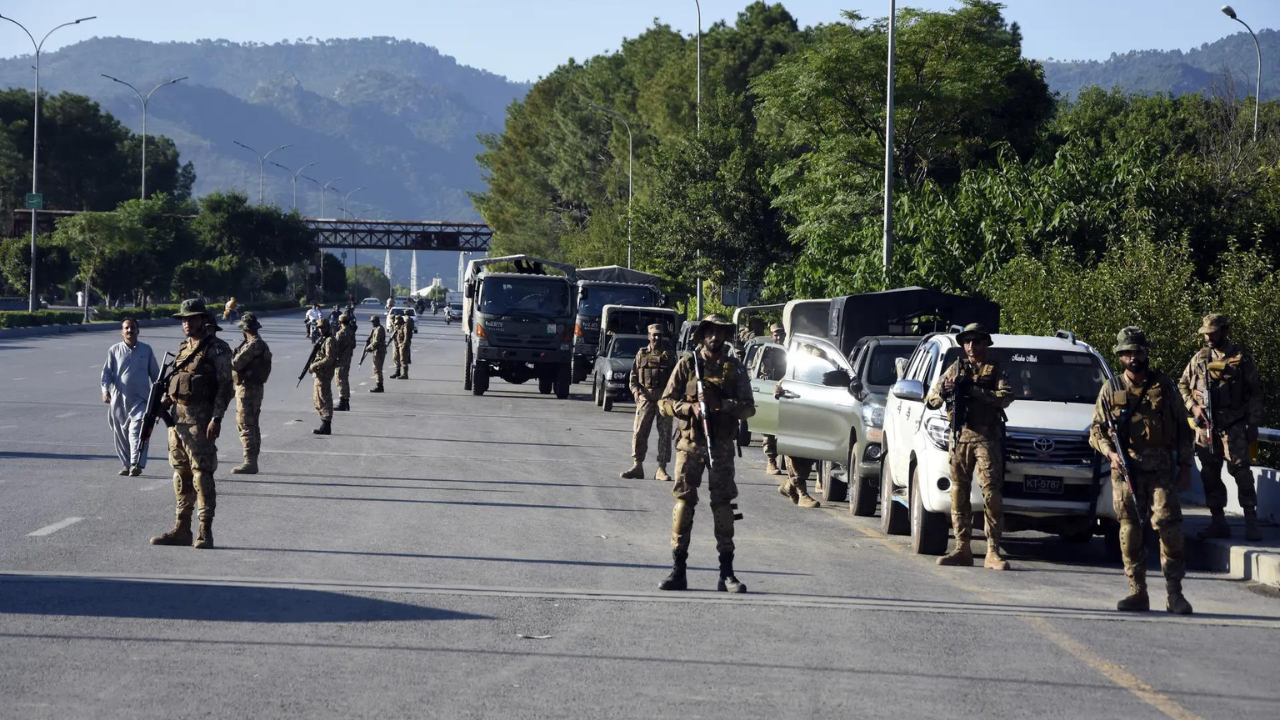
Pakistan's Shadow Security Problem: Why Islamabad's Ties to Non-State Actors Keep Coming Back to Bite It
A four-front war against TTP, ISKP, the Baloch insurgency and its own Afghan neighbor is exposing the costs of a decades-old playbook. Global Chanakya decodes Pakistan's most difficult year of internal security since 2014.
Bangladesh After Hasina: Yunus, India, and South Asia's New Fault Line
Eighteen months of interim rule under Muhammad Yunus reoriented Bangladesh toward Beijing and Islamabad and left India's oldest South Asian partnership in ruins. Tarique Rahman's elected government has restored diplomatic correctness with New Delhi, but his first foreign trip went to Beijing, not Delhi, and came home with a Teesta River deal India could not deliver in thirty years - a signal that the strategic damage of the interim period may outlast the interim government itself.
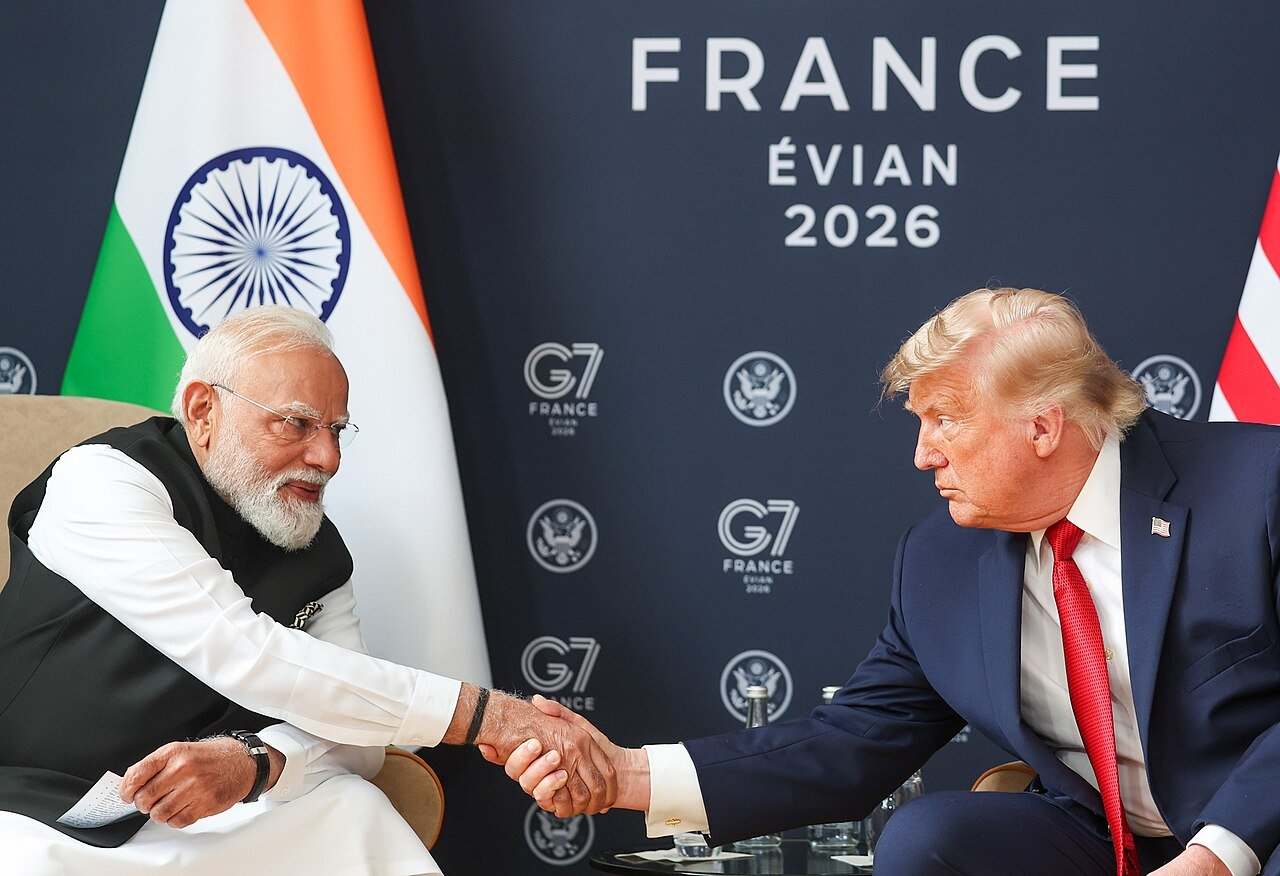
Why India Matters More Than Ever: Inside the Convergence That Made New Delhi Indispensable
India just overtook Japan as the world's fourth-largest economy while every major power simultaneously courts it. Global Chanakya decodes the convergence of demography, growth, and geopolitics that made India indispensable.
India's Multi-Alignment Strategy Explained: Strategic Autonomy in a Fractured World Order
From Bandung to Beijing thaws and Washington tariffs, India has built a foreign policy that refuses to choose sides. This report decodes the doctrine, its instruments, and its breaking points.
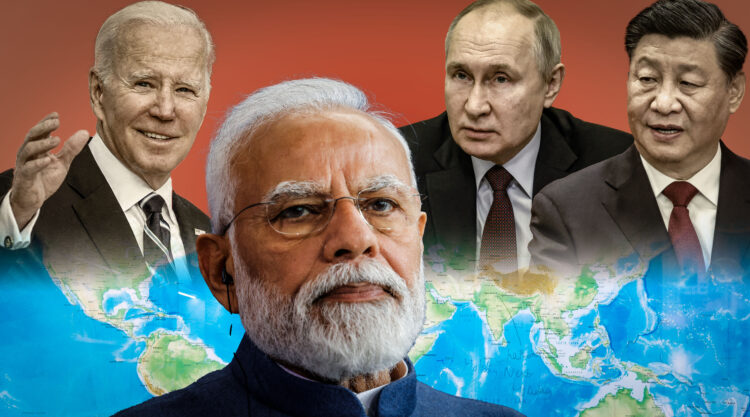
The Third Pole: India's Bid to Shape the Emerging Multipolar World Order
From Quad exercises to BRICS chairmanship, India is betting that strategic autonomy can be turned into genuine global leverage. This report decodes whether New Delhi can become a true pole of the new world order.
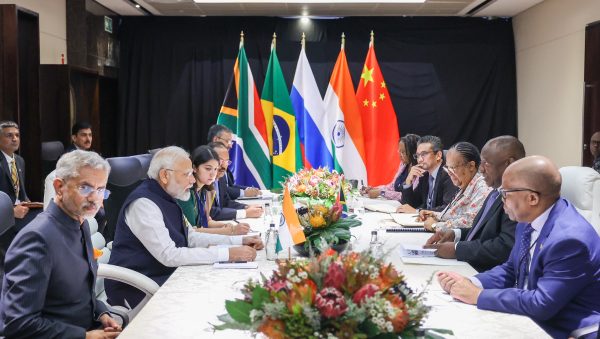
The Indispensable Balancer: Is India Becoming the World's Ultimate Swing Power in a Fracturing Global Order?
Courted by Washington, vital to Moscow, rivaled by Beijing, and indispensable to the Global South, India has engineered a strategic position no other nation occupies. This doctrine-level report decodes its swing power architecture.
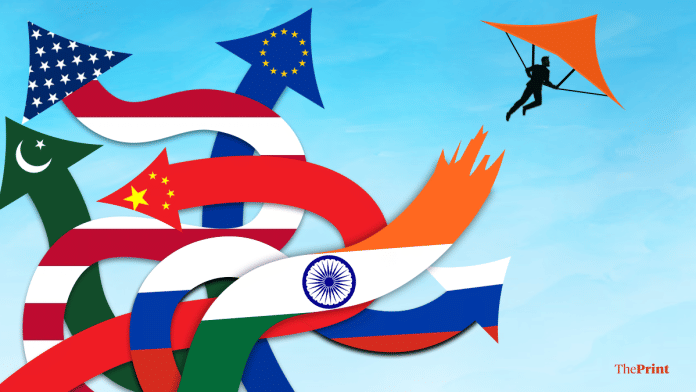
India Strategic Intelligence Report 2026: Power in Flux
From Trump's tariff whiplash to a quiet China thaw, an 88-hour war with Pakistan, and a deepening Russia balancing act, 2026 is testing India's strategic autonomy doctrine like never before. A full intelligence assessment of where India stands.
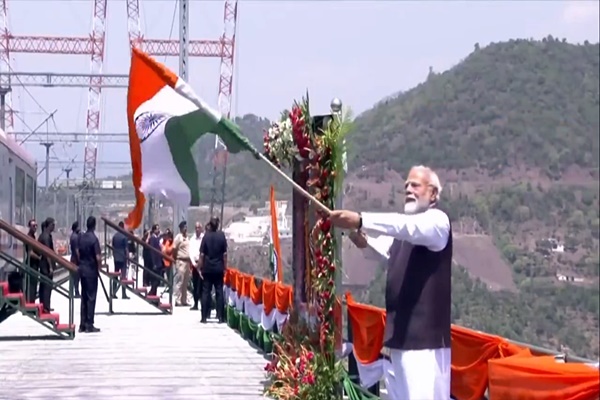
Kashmir Geopolitical Timeline: From Partition to the Post-Pahalgam Order
From the 1947 accession crisis through Article 370's abrogation to the Pahalgam massacre and Operation Sindoor, this is the complete strategic timeline of the world's most enduring nuclear flashpoint - and an assessment of where the suspended Indus Waters Treaty, stalled statehood, and a controlled calm leave Kashmir in 2026.

India-Pakistan Conflict Risk in 2026: The New Normal of Calibrated Brinkmanship
A year after the first drone war between two nuclear powers, India has declared a "new normal" that promises automatic retaliation for the next terror attack, Pakistan's army chief has been promoted to Field Marshal, and both sides appear increasingly comfortable believing escalation can be managed. That belief is precisely the danger.

Pakistan-Afghanistan Border Tensions: Inside South Asia's Newest Open War
Pakistan bombed Kabul. The Taliban launched cross-border offensives. A defence minister declared "open war." What began as proxy management of the TTP has collapsed into the most consequential state-on-state conflict in South Asia since the War on Terror, and the ceasefire China brokered in March is already fraying.

India-China Border Tensions: Future Risks Behind the Himalayan Thaw
Patrolling rights restored, trade restrictions eased, Modi and Xi shaking hands at the SCO summit - yet a giant dam on the Yarlung Tsangpo, a detained traveler's passport, and 628 Chinese "defense villages" along the LAC reveal a thaw built on sand. The India-China relationship in 2026 manages a rivalry it has not resolved.
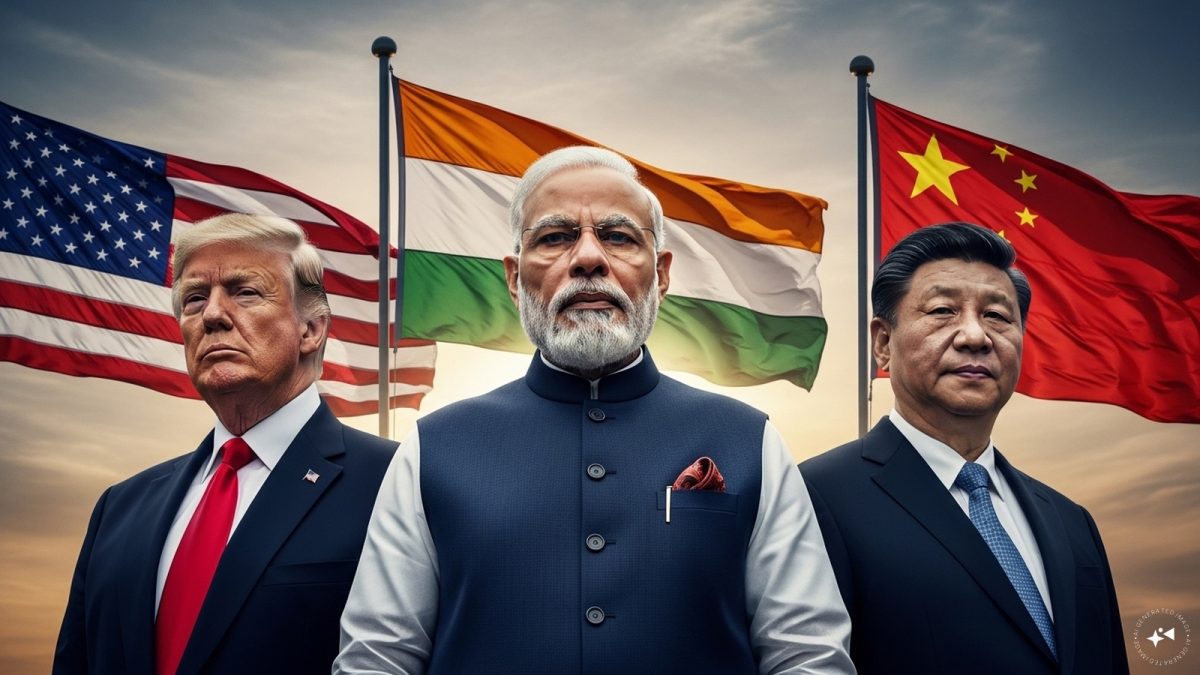)
India's Strategic Position in the New Cold War: The Last Great Balancing Act
Hosting Putin, courting Trump, and preparing to welcome Xi Jinping within a single year, India in 2026 is attempting something no major power has managed in decades - genuine strategic independence inside a hardening US-China rivalry. Whether that balancing act survives the pressures now mounting on it is the defining question of Indian foreign policy.