Middle East Intelligence
Unvarnished analysis and strategic foresight. • 37 articles
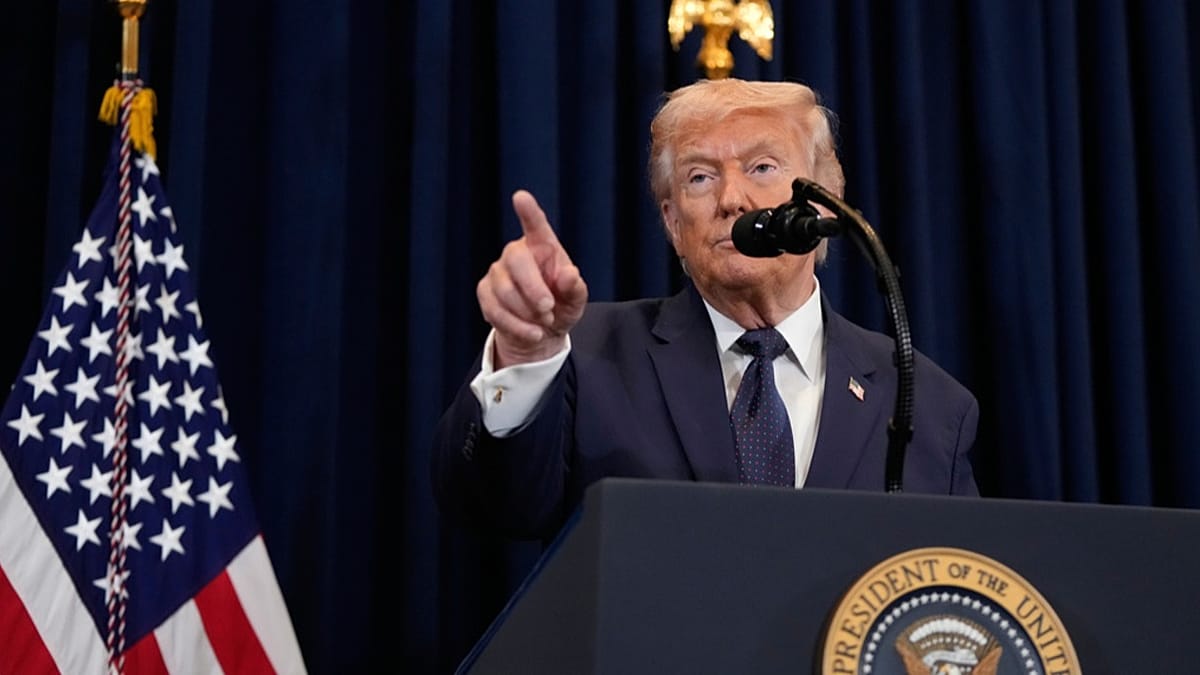
Trump's "Almost Over" vs. Pezeshkian's "No Talks": The Iran War's Diplomatic Deadlock on Day 220
Trump flew to Nebraska and told a crowd the Iran war is "essentially almost over," calling high gas prices a "small price to pay." That same day, a third tanker was struck near Hormuz, Western Hemisphere governments pledged action against Iranian-linked terrorism, and Pezeshkian - for the fourth time in a week - rejected direct negotiations. This is not a war approaching its end.
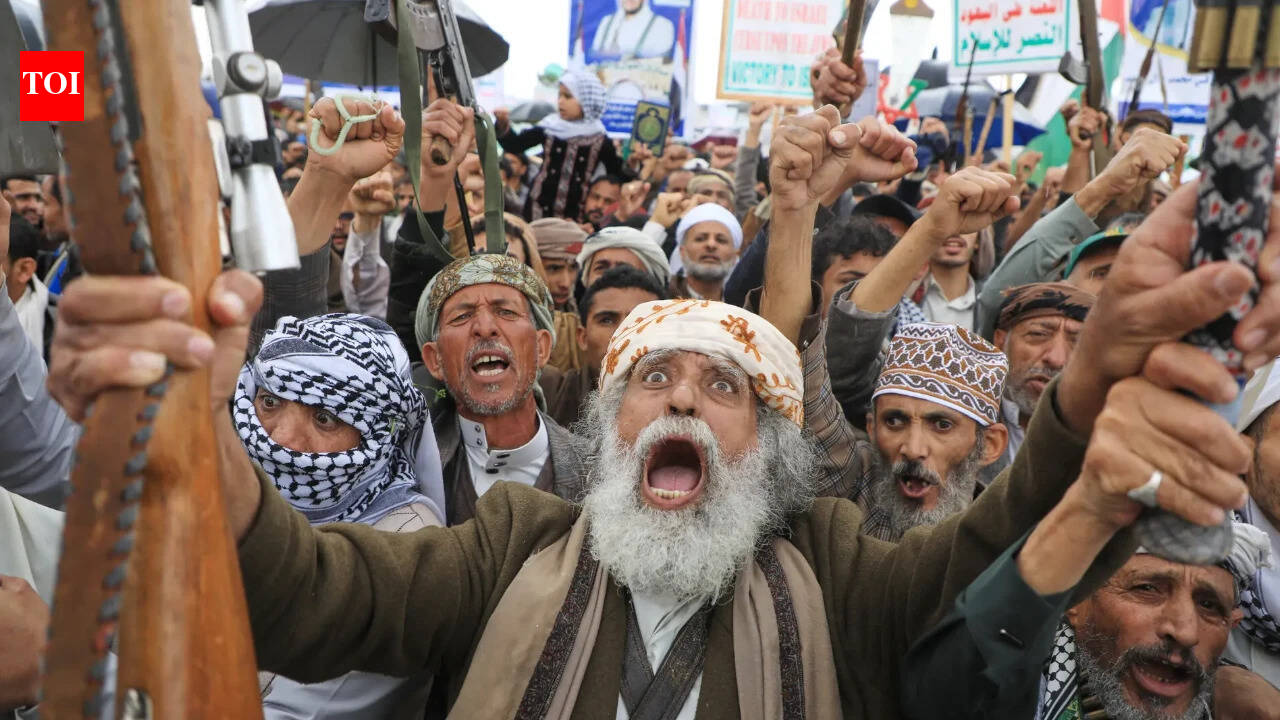
The War Council at Camp David: What Trump's Secret Meeting on Iran and Yemen Actually Decides
Trump's full national security cabinet met secretly at Camp David on October 2 to decide next steps in the eight-month Iran war and whether to join Saudi Arabia's planned offensive against the Houthis in Yemen.

Blow Them Up or Make a Deal: Inside Trump's Iran Ultimatum as Ceasefire Collapses
Trump told Oval Office reporters on October 1: "We blow them up or make a deal." Iran had just received a US counter-response through Pakistan. Rubio ordered Iran's delegation out of the country. Five men were arrested near RAF Fairford. The war is 215 days old and neither side has a workable path to peace.

Flydubai FZ1073: How a Cockpit Attack Became a Test of the UAE-Israel Relationship
A cockpit attack on a Dubai-to-Tel Aviv flight ended in a Saudi emergency landing. We separate what is confirmed from what is alleged and assess what it means for the UAE-Israel air link, Gulf aviation security and India.
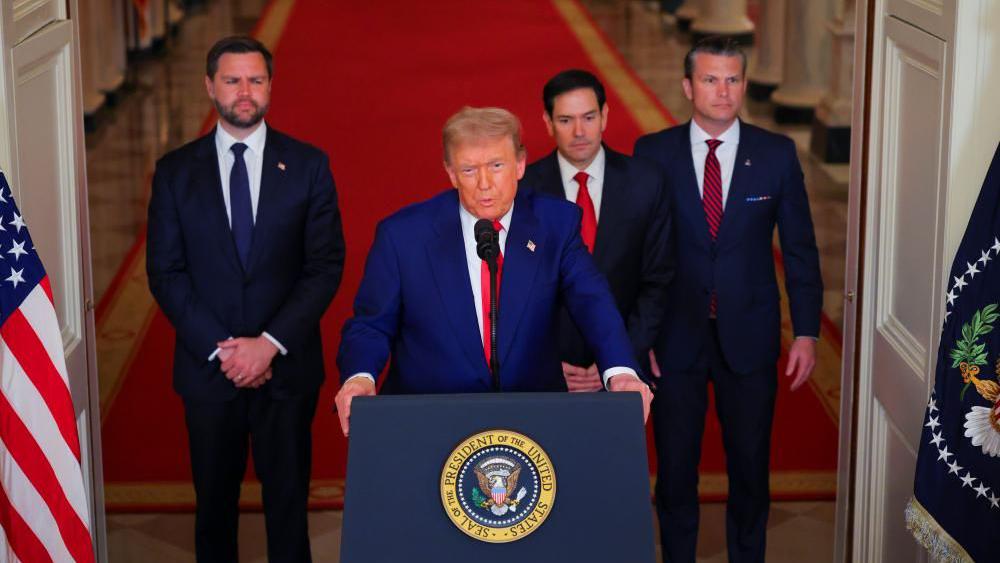
Trump's Election Calendar War: Why the Iran Bombing Is on Hold Until November
Trump has told aides he expects to resume bombing Iran after the November 3 midterms. He rejected Iran's seven-day Hormuz proposal at the UN. He threatened "annihilation" in the same breath as predicting a deal. The war is seven months old and running on political time, not military logic.
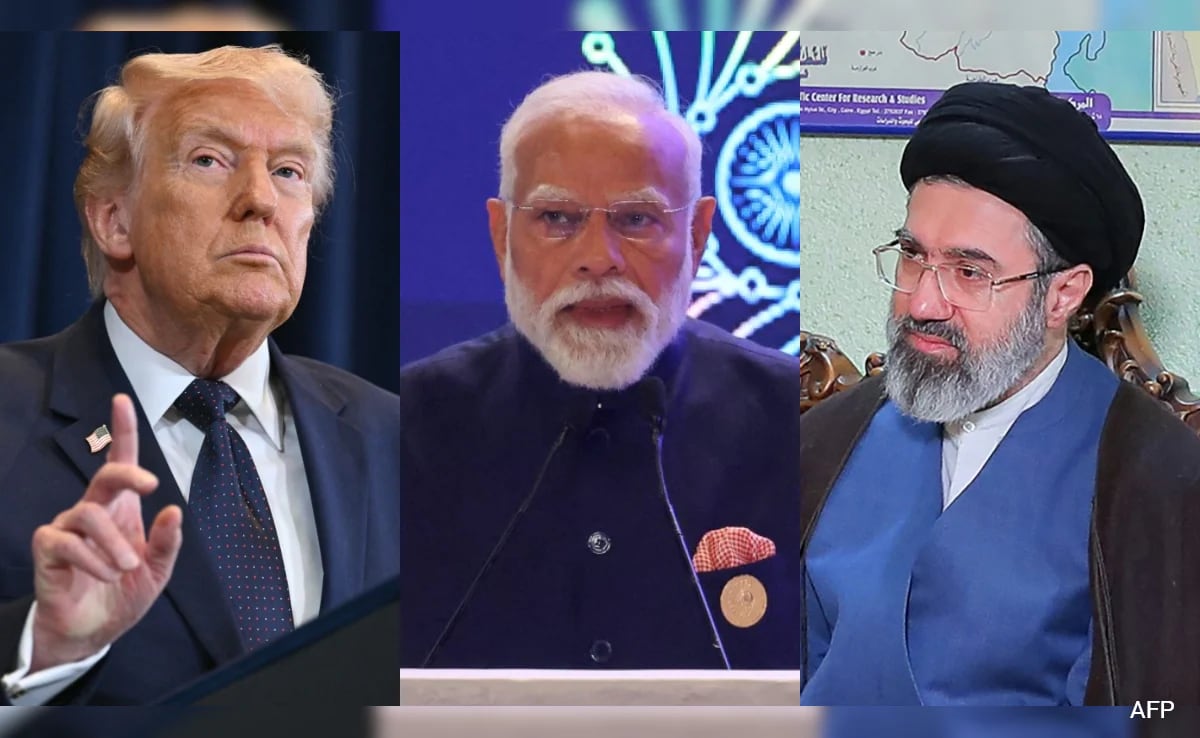
Inside UNGA's Most Combustible Week: Trump, Iran, and the Middle East's New Fault Lines
The 81st UN General Assembly brought the world's most dangerous active war to a single address in Manhattan. Trump threatened annihilation. Iran floated a Hormuz deal. Netanyahu spoke to empty seats. And the Houthis seized the Bab al-Mandab. Here is what this week actually revealed about where the Middle East is heading.

Trump Opens the Door to Iran at the UN - and Oil Responds
Seven months into an unresolved war, Trump told the UN General Assembly he expects a deal with Iran "right after" the midterm elections. Oil fell below $100 a barrel. Whether Washington actually blinks - or is simply managing domestic politics ahead of November - is the central strategic question of the moment.

The Gate of Tears Closes: How Houthi Control of Bab el-Mandeb Is Reshaping the World's Energy Architecture
Houthi forces have seized Mocha, Perim Island, and the Hanish archipelago, giving them physical dominion over the world's second-most critical maritime chokepoint. Combined with the near-closure of the Strait of Hormuz and the drone-disabled Saudi East-West pipeline, the world is now experiencing simultaneous disruption to corridors carrying over 39% of global seaborne trade - driving US diesel to record highs and threatening a food security cascade across three continents.
Iran's Twin Chokehold: How Houthi Control of Bab al-Mandab Reshapes the Middle East War
Houthi forces have completed their seizure of Yemen's entire Red Sea coastline and Perim Island, placing the Bab al-Mandab Strait under de facto Ansar Allah control. Combined with Iran's effective closure of the Strait of Hormuz since February, the world's two most critical energy chokepoints are now under coordinated pressure from the Axis of Resistance - a strategic reality without modern precedent.

Xi's Cairo Return: Is China Filling the Vacuum America's Iran War Left Behind?
Xi Jinping's first state visit to Egypt in a decade landed in the middle of an active US-Israel war with Iran and a fracturing Gulf security order. Beijing signed a dense package of industrial and technology deals anchored on the Suez Canal, while carefully avoiding any hard-security commitment to Cairo. This report examines whether China is genuinely displacing American influence in the Middle East or simply monetising a moment of American overextension.
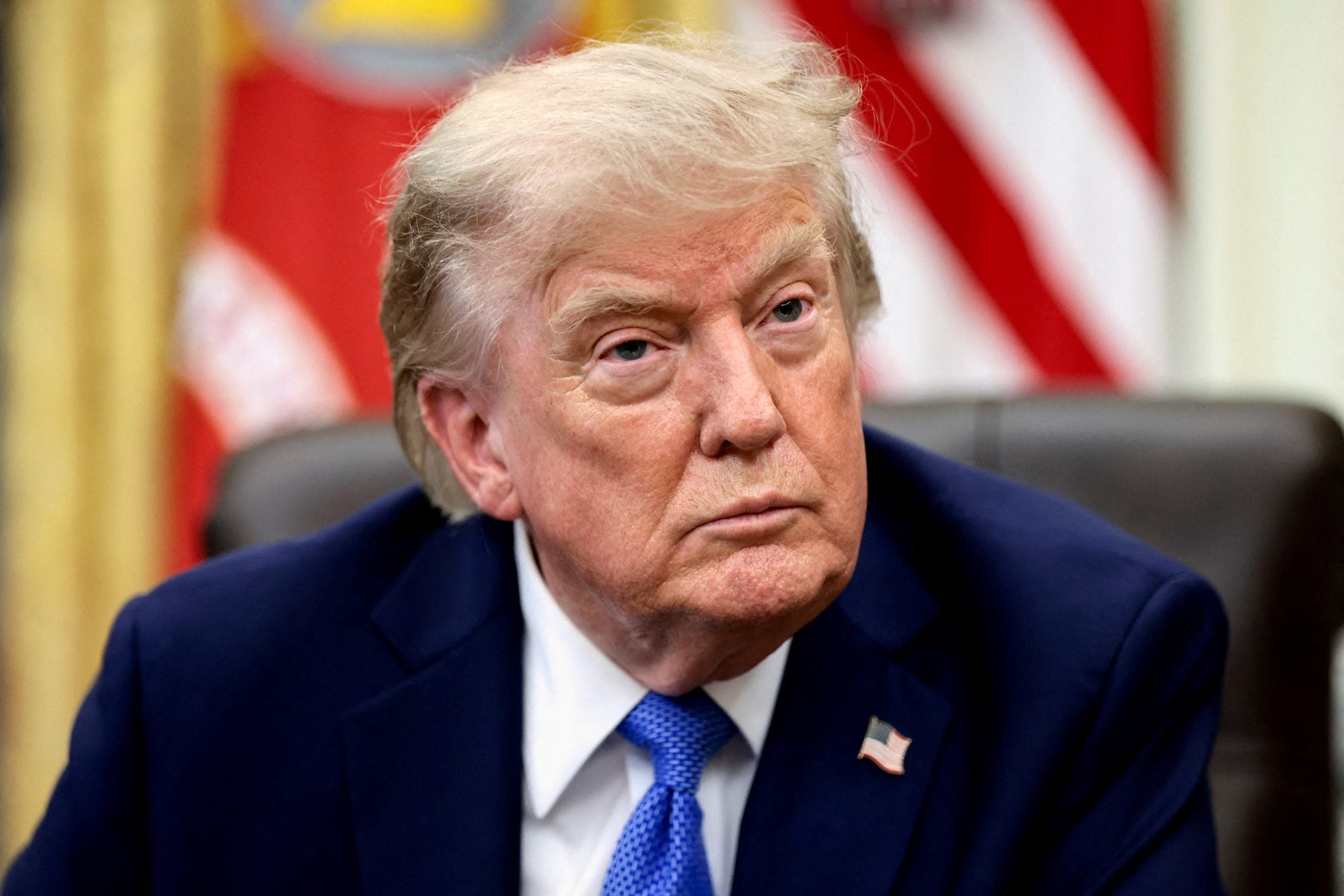
Trump Declares Hormuz "Mine-Free" Hours After a Tanker Gets Hit
Trump announced the Strait of Hormuz was fully demined on a Tuesday morning. By evening, a tanker was on fire from an unidentified projectile strike in the same waterway. The gap between the declaration and the reality on the water is now the real story.
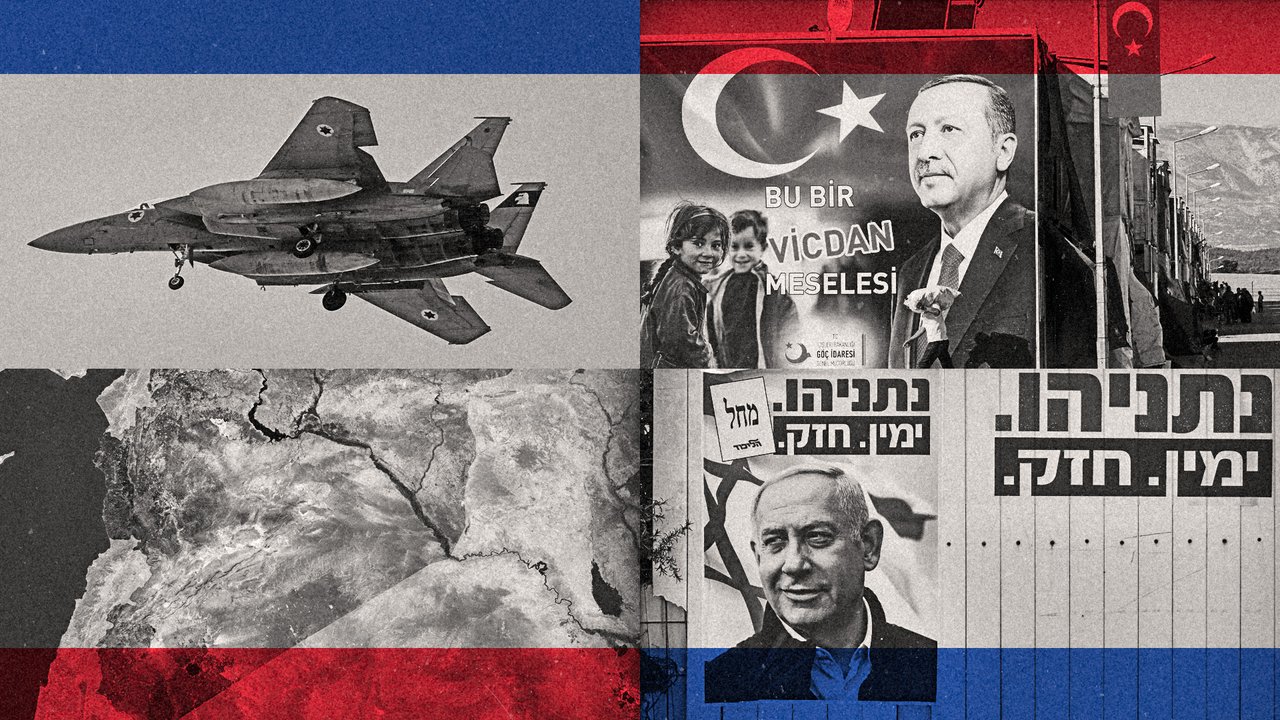
Israel vs Turkey's Shadow War Over Syria's Skies
An Israeli strike on a shuttered Idlib airbase, justified by intelligence US officials say they could not verify, has pushed two of the Middle East's most capable air forces into their sharpest confrontation over Syria yet. Neither side wants war. Both are drawing red lines that increasingly overlap.
Ghost Tankers: How Iran's Oil Fleet Is Going Dark to Dodge US Sanctions
More than 600 tankers, disabled trackers, faked ship meetings, and a Strait of Hormuz blockade have not stopped Iranian oil from reaching buyers. They have simply pushed the trade into a semi-visible shadow economy that Washington's own "Economic D-Day" sanctions are struggling to close.
Trump Claims "Total Control" Over Hormuz - But Iran Says the Deal Isn't Happening
Trump says the US owns the Strait of Hormuz and might just keep it. Iran's military calls that a lie and says the waterway remains under complete Iranian control. Between these two irreconcilable claims sits a genuine Oman-brokered negotiation, a global oil market burning through its buffers, and a war with no clear endpoint.

Economic D-Day: Inside Trump's "Crushing" War on Iran and India's Strategic Bind
Six months into an unfinished war, Trump is betting that "Economic D-Day" can finish what bombs could not. The campaign's secondary sanctions threat lands squarely on New Delhi, which has already surrendered its Chabahar Port stake once this year. Here is what the escalation actually changes, and why India's balancing act keeps getting narrower.
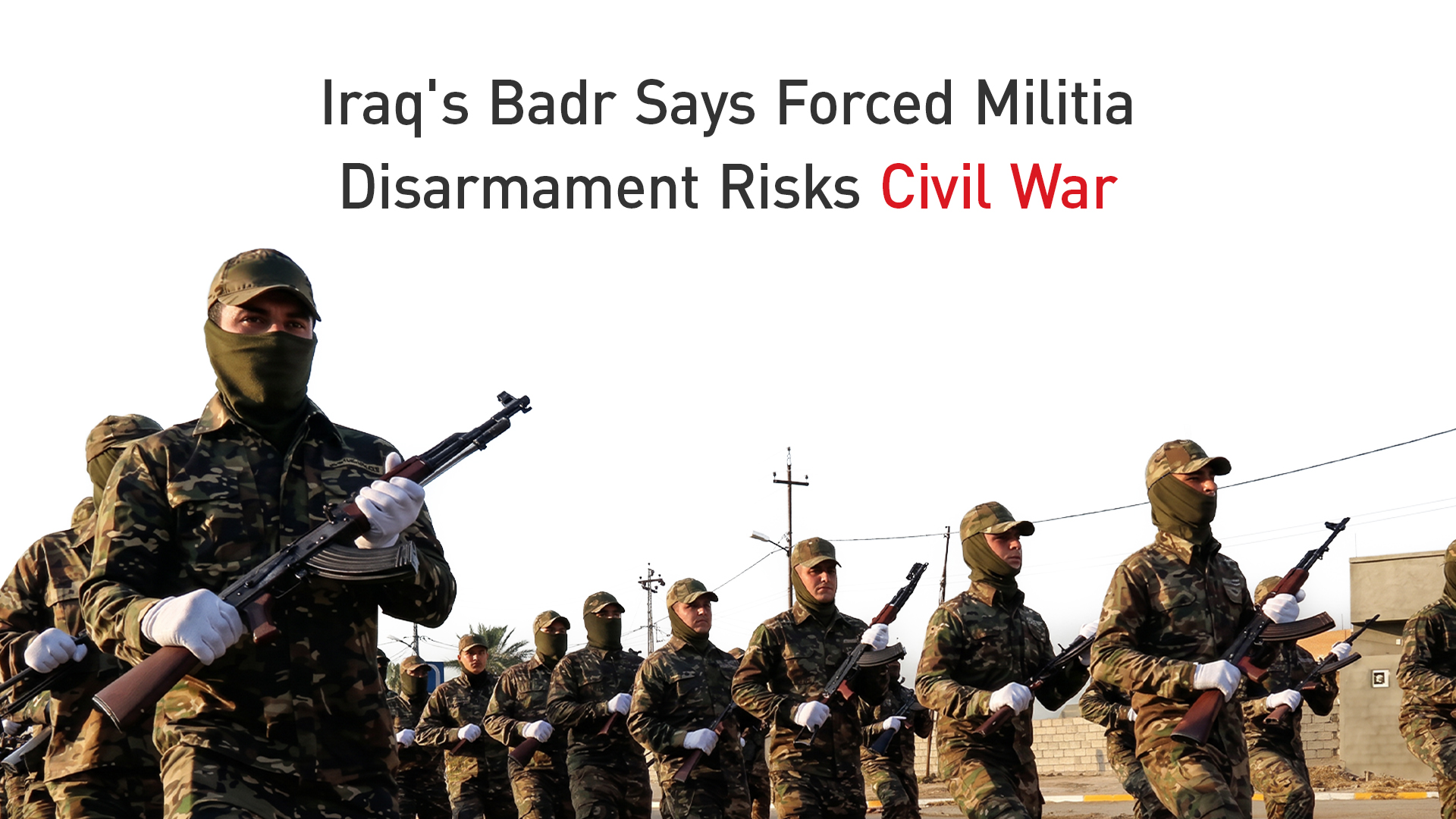
Iraq's Militia Crisis: Why September 30 Could Trigger Civil War
A single date now carries the weight of Iraq's entire postwar order. September 30 marks both the final withdrawal of US-led coalition forces and Baghdad's deadline to disarm Iran-backed militias. Badr has already warned of internal strife. Here is why the collision is real, and what happens if it is not managed.
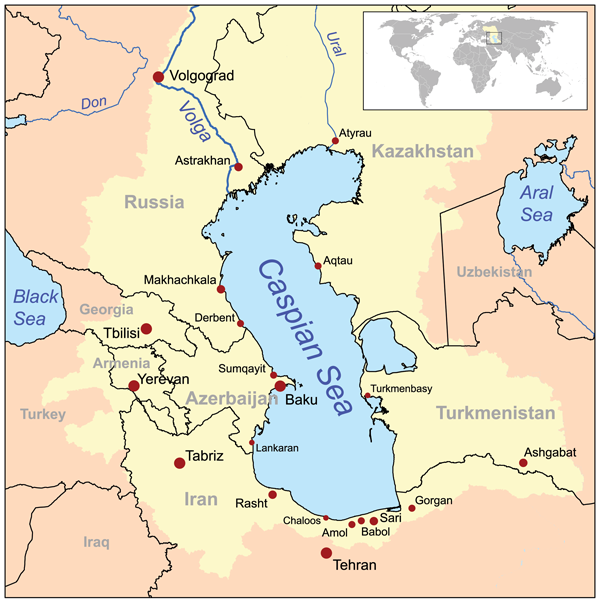
The Caspian Convergence: How One Sea Became the Secret Hinge of the Ukraine and Iran Wars
A landlocked sea once dismissed as a geopolitical backwater has become the logistics spine linking Russia's war in Ukraine to Iran's war with Israel and the United States - and a live fault line that could fuse two conflicts into one.
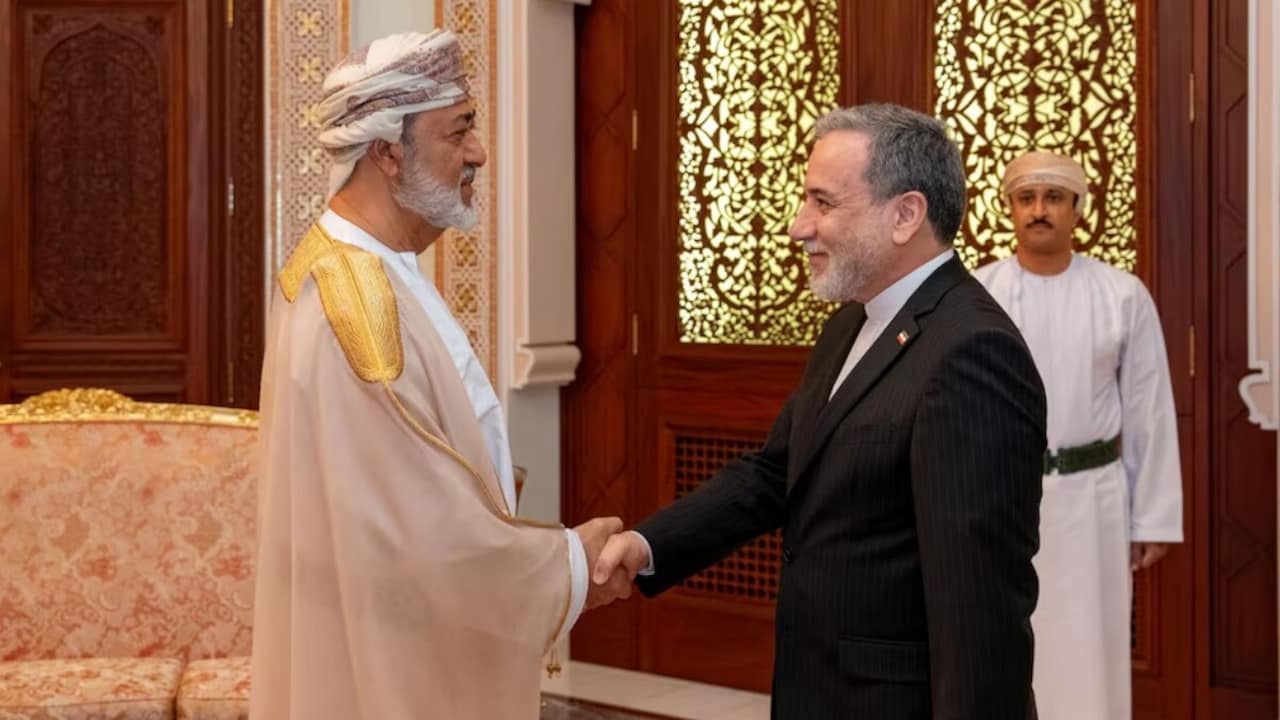
Hormuz De-Escalation: Are Iran and Oman Quietly Ending the Standoff?
Behind Washington's headline diplomacy, a quieter Muscat-Tehran track - mandated by June's Islamabad Memorandum - may be doing more to determine the Strait of Hormuz's future than any US-Iran summit. Global Chanakya assesses whether this is genuine de-escalation or a tactical pause before the next flashpoint.
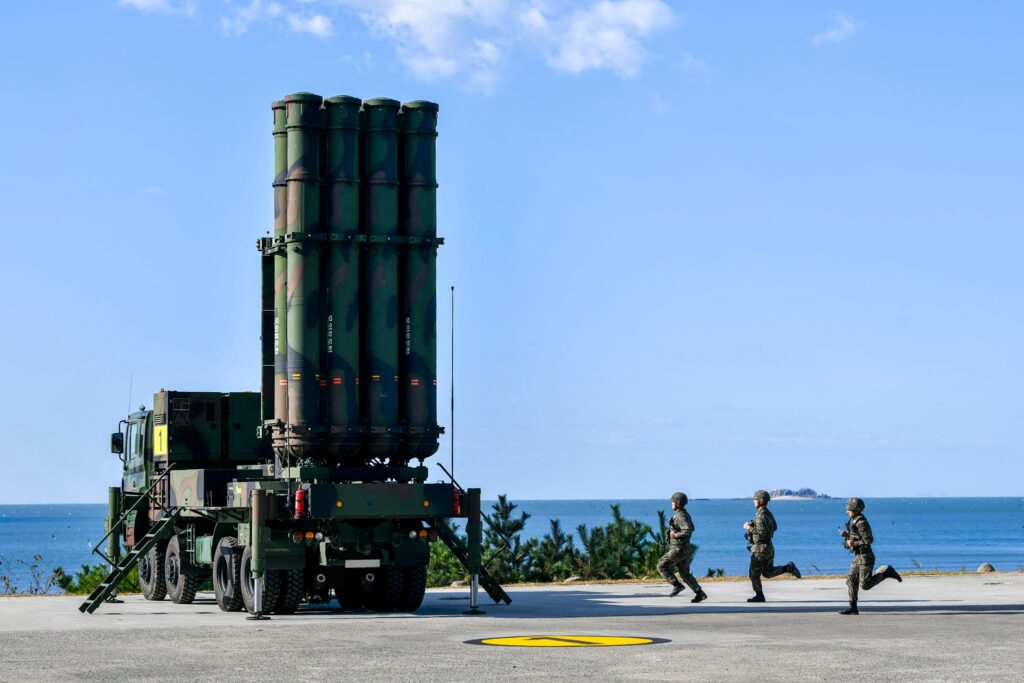
South Korea's Gulf Gambit: Inside Seoul's Bid to Solve the Middle East's Air-Defense Problem
A Korean missile system just shot down 96% of incoming Iranian threats. Global Chanakya decodes how Seoul's Cheongung-II became the Gulf's air-defense system of choice - and what it reveals about the ITAR-free arms race.

The Truce That Broke: Inside the Iran War's Sudden Return to Full-Scale Combat
The Islamabad Memorandum didn't survive three weeks. Bushehr's perimeter has been hit, Kharg Island's oil terminal struck, Hormuz shut down, and American troops killed in Jordan. Global Chanakya decodes how the Iran ceasefire collapsed - and what comes next.
Suez Canal 2026: Strategic Importance and Global Trade
Down from a $9.4 billion peak but climbing back, the Suez Canal remains the artery no alternative route can replace. This report decodes its 2026 recovery, its Hormuz-era leverage, and its enduring strategic weight.

The World's Most Dangerous Chokepoint: Why the Strait of Hormuz Still Decides the Price of Every Barrel on Earth
One narrow channel between Iran and Oman carries a fifth of the world's oil every single day. This doctrine-level report decodes why the Strait of Hormuz remains the single most consequential chokepoint in global energy security.
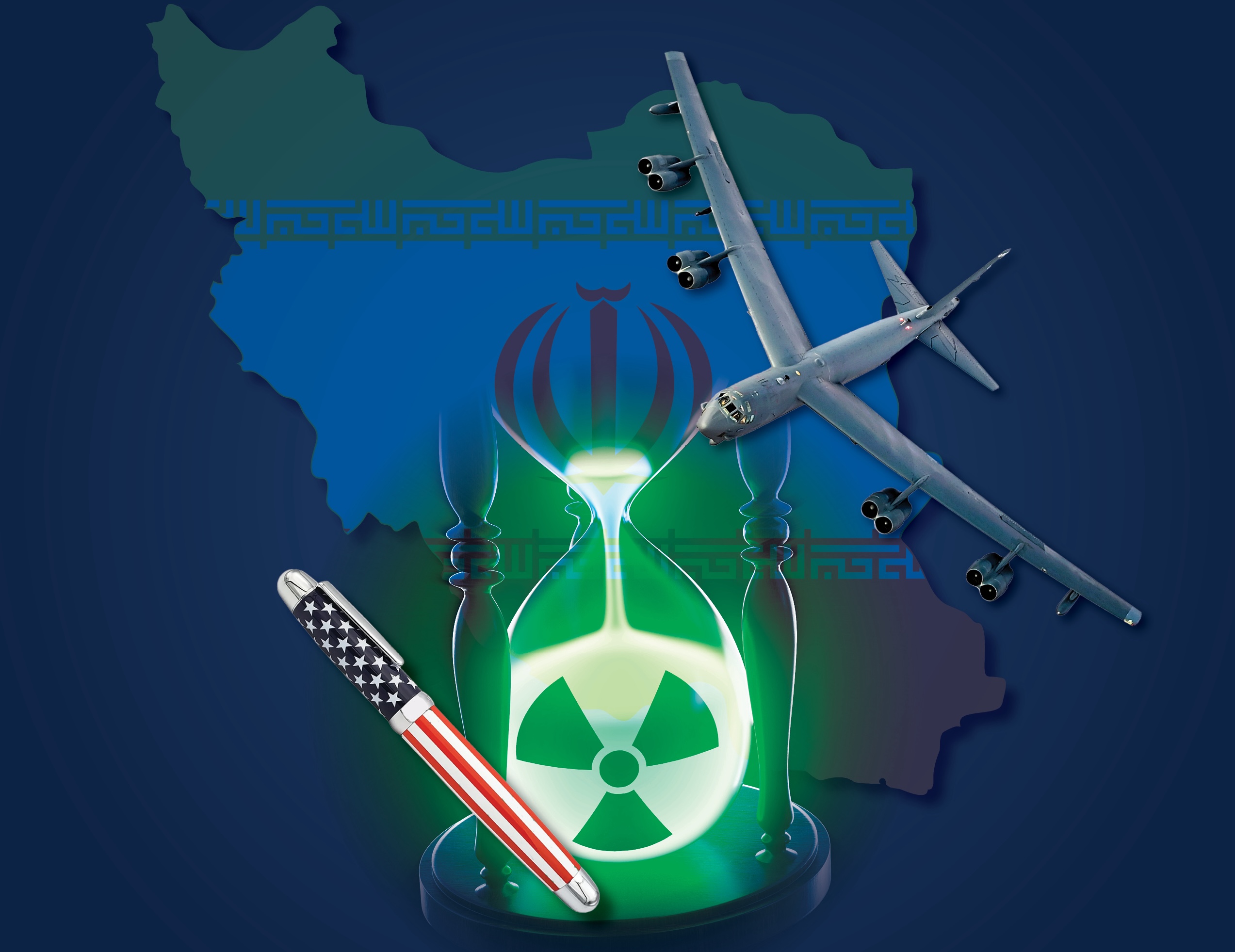
After the War: Will Iran's Nuclear Program Trigger a Second, Wider Regional War?
The 2026 Iran war already happened. Khamenei is dead, Fordow is cratered, and the Islamabad Memorandum ceasefire is collapsing in real time. This report assesses whether round two is imminent.

The Red Sea Crisis: How Houthi Aggression Is Rewiring Global Trade and the Geopolitics of Maritime Power
From the Suez Canal to the Cape of Good Hope, the Houthi assault on commercial shipping has shattered one of the world's most critical maritime corridors. This deep-dive intelligence report examines how the Red Sea crisis is reshaping global trade routes, energy flows, insurance markets, military postures, and the strategic balance of power across the Indo-Pacific, Middle East, and Europe.
Ali Khamenei vs Israel: How the Shadow War Became a Regional Conflict
Ali Khamenei built Iran’s anti-Israel strategy around proxies, missiles, nuclear latency and calibrated escalation. His death in the 2026 U.S.-Israeli campaign exposed both the reach and the fatal vulnerabilities of that doctrine.
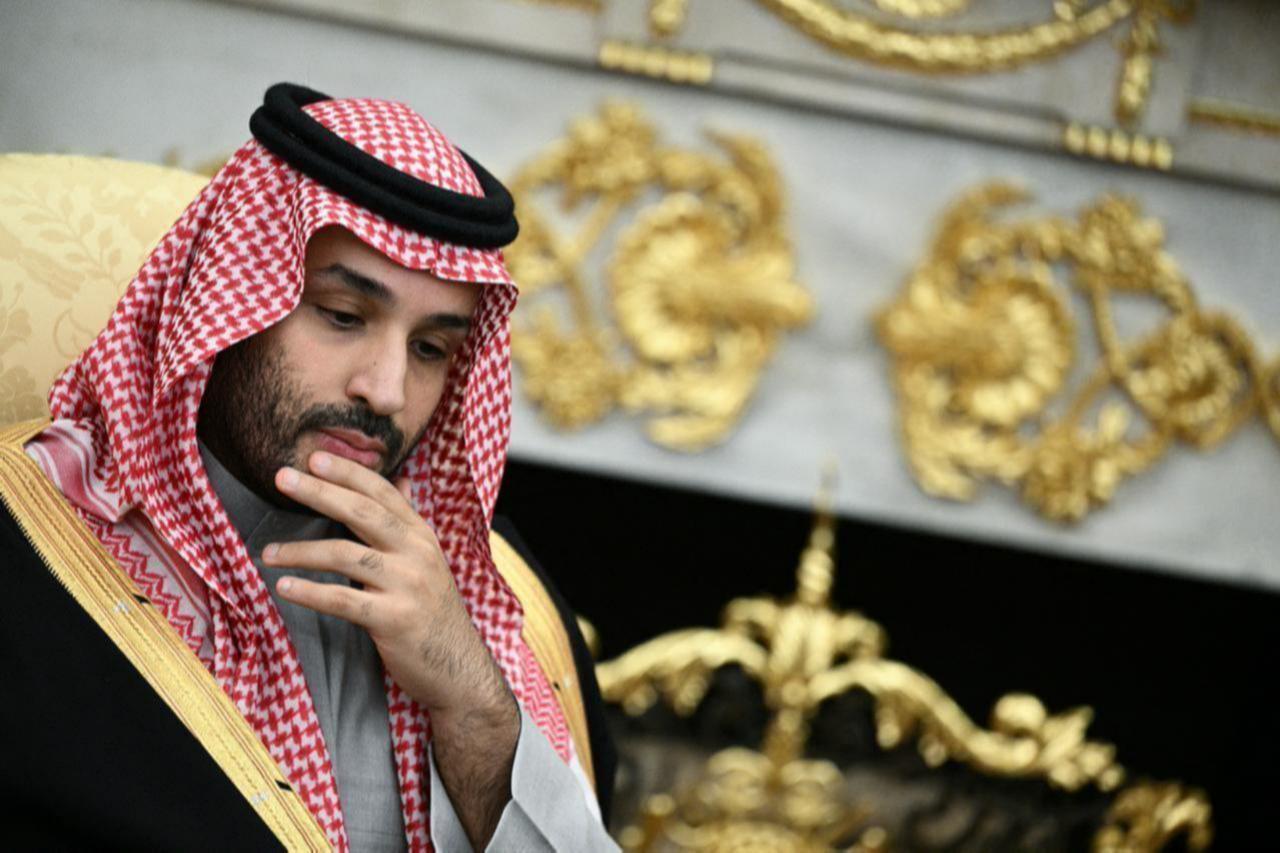
MBS's Vision 2030 Geopolitics: The Reckoning Phase
Saudi Arabia's defining megaproject is entering its final, most consequential phase just as NEOM gets quietly written out of the budget and the Iran war exposes the kingdom's physical vulnerability. A full geopolitical assessment of MBS's Vision 2030 in 2026.

Ayatollah Khamenei's Iran Strategy: Four Decades That Ended in Fire
For 37 years, Ali Khamenei built the Islamic Republic into a regional power through nuclear brinkmanship, proxy armies, and relentless resistance doctrine. On February 28, 2026, a US-Israeli airstrike killed him - but the regime he constructed has survived, transformed, and grown more dangerous in ways he never intended.
Benjamin Netanyahu's Regional Strategy 2026: The Super-Sparta Doctrine
A definitive 2026 intelligence assessment of Benjamin Netanyahu's regional strategy - the Super-Sparta doctrine, the Iran war he engineered, the Gaza endgame he is delaying, Lebanon's open wound, a looming election, and a leader who has made permanent warfare the architecture of his own political survival.
Iran Strategic Intelligence Report 2026: A Regime Under Siege
A deep 2026 intelligence assessment of Iran after the assassination of Ali Khamenei - the contested rise of Mojtaba Khamenei, the IRGC's tightening grip, nuclear hedging without enforcement, and a regime fighting for survival on every front.
Israel Strategic Intelligence Report 2026: War on Every Front
A full-spectrum 2026 assessment of Israel's security posture - from the war on Iran and the renewed Lebanon offensive to Gaza's contested ceasefire and Netanyahu's fraying coalition. Global Chanakya decodes Jerusalem's high-risk, high-stakes year.
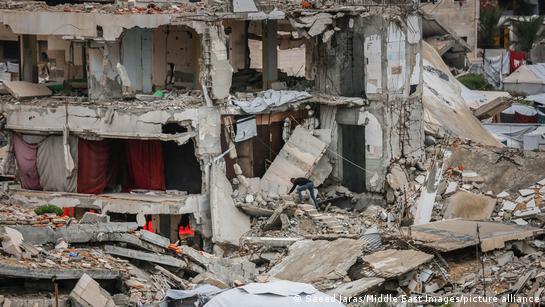
Hamas-Israel War Timeline Analysis: 2023 to 2026
From the October 7 attack to a ceasefire violated more than 3,200 times, this report traces the full Hamas-Israel war timeline and explains why the conflict's "end" in October 2025 never actually delivered peace.
Hezbollah vs Israel: What Comes After the 2026 War
A devastating 2026 war, a fragile June ceasefire, and an unresolved disarmament fight have left Hezbollah weakened but unbroken. With Lebanon's elections approaching and Israeli troops still on Lebanese soil, here are the scenarios that decide what happens next.
Syria's Power Map 2026: Sharaa's Fragile Republic
Eighteen months after Assad's fall, Damascus controls more territory than at any point since 2011 - but Syria is now a patchwork of an Islamist-led center, an Israeli-backed Druze enclave, a defeated Kurdish administration, and a resurgent ISIS. Here is the real map.
Yemen's Strategic Chokehold: Why the World Cannot Look Away
Yemen's fractured war has outgrown its borders. Between Houthi missiles, a collapsed STC rebellion, Saudi re-engagement, and the Bab al-Mandab chokepoint, Yemen now sits at the center of the Iran-Israel-Gulf power equation. Here is why it matters more than ever.
Iran-Israel Proxy War Explained: From Shadow War to Open War
What began as a decades-long shadow war fought through Hezbollah, Hamas, and the Houthis erupted in February 2026 into direct US-Israeli strikes that killed Iran's Supreme Leader. This report explains how the proxy network built and broke.
Israel-Palestine Conflict: 2026 Escalation Risk Map
The Gaza ceasefire has held in name only, with thousands of violations recorded, Hamas disarmament stalled, and Lebanon flaring repeatedly. This report maps the Israel-Palestine conflict's fault lines and where escalation is most likely next.
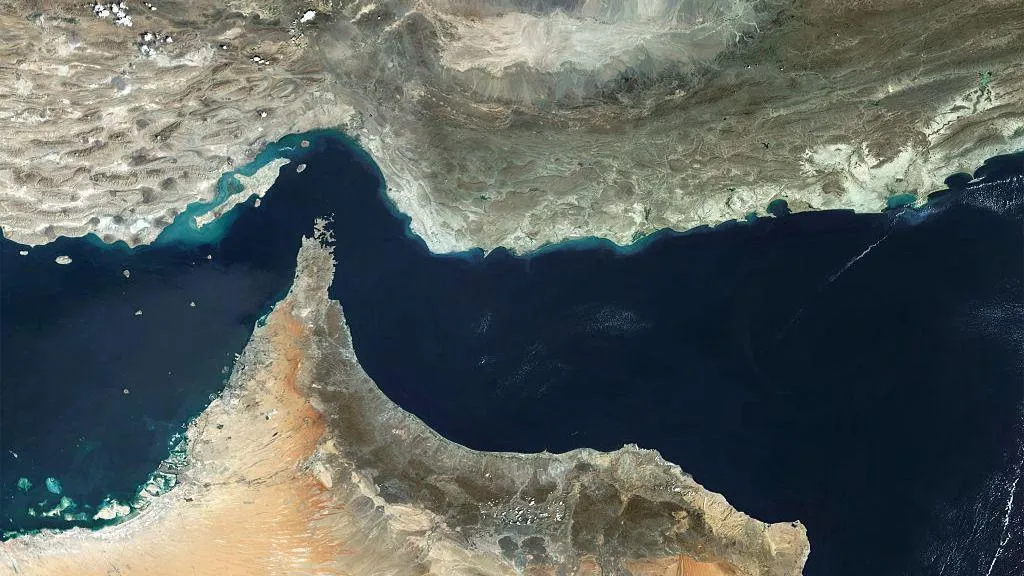
The 2026 Strait of Hormuz Crisis: A Global Catastrophe
The Strait of Hormuz is closed, and the global economy is bleeding. How a 34-kilometer pinch point triggered the largest oil supply disruption in history.